A quick note from the editor:
Before you turn a lower level into a room people will actually use, test what you cannot see and document what the basement is already telling you.
🧭 What should I do next?
Should I care?
Once finishes go in, bad basement air gets more expensive to understand and harder to correct. Radon, humidity, mould clues, and stale-air patterns are worth catching before the room starts looking "done."
Who is affected?
Homes with basements used for offices, guest rooms, playrooms, storage, or future rental space, especially older Montreal homes with stone foundations or mixed moisture history.
What's next?
Start a long-term radon test before making any finishing decision for the basement.
📰 News & Trends
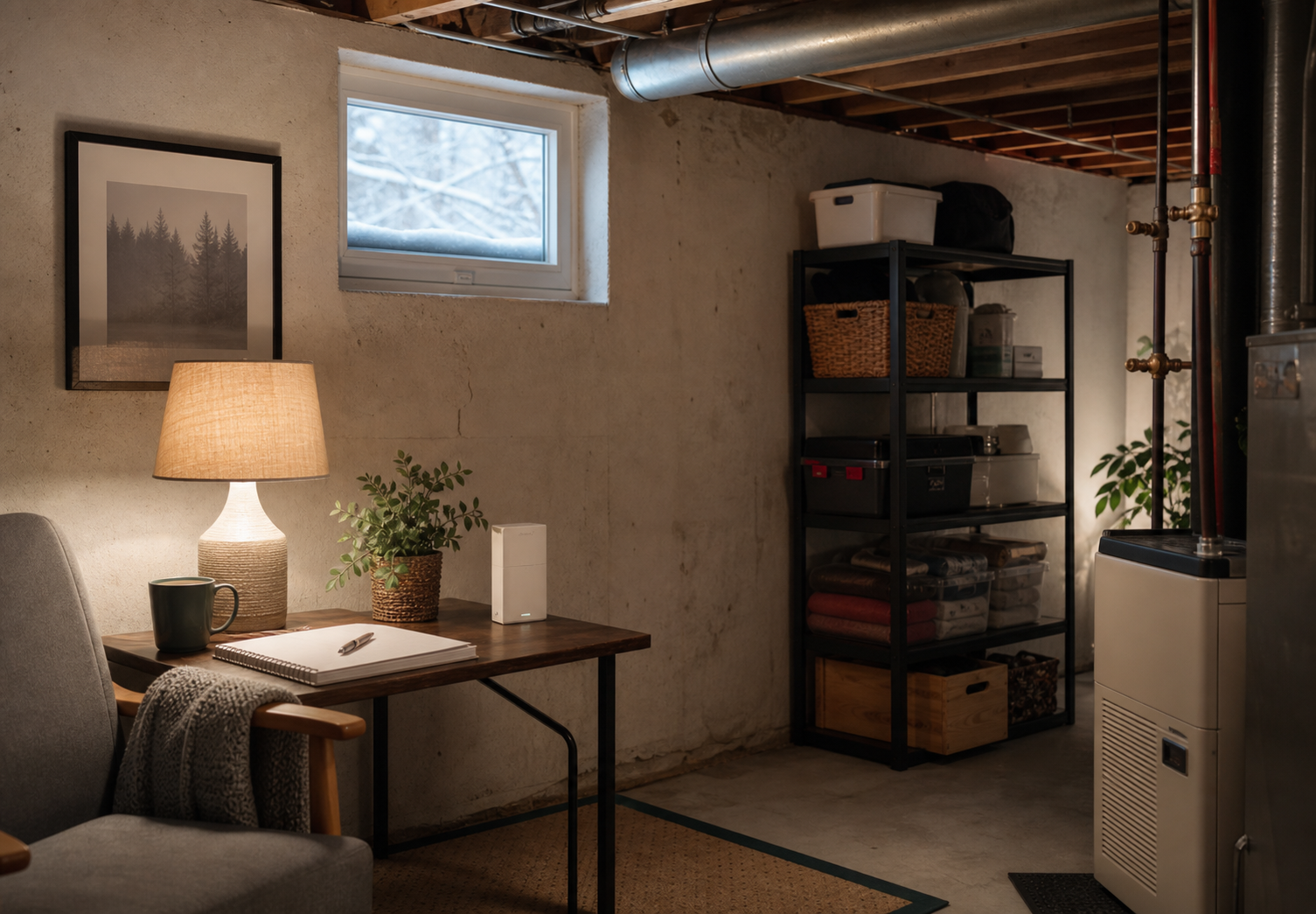
Radon is finally part of the basement conversation · 3 mins read
Lead with the official radon baseline before you assume the basement is safe for everyday use.
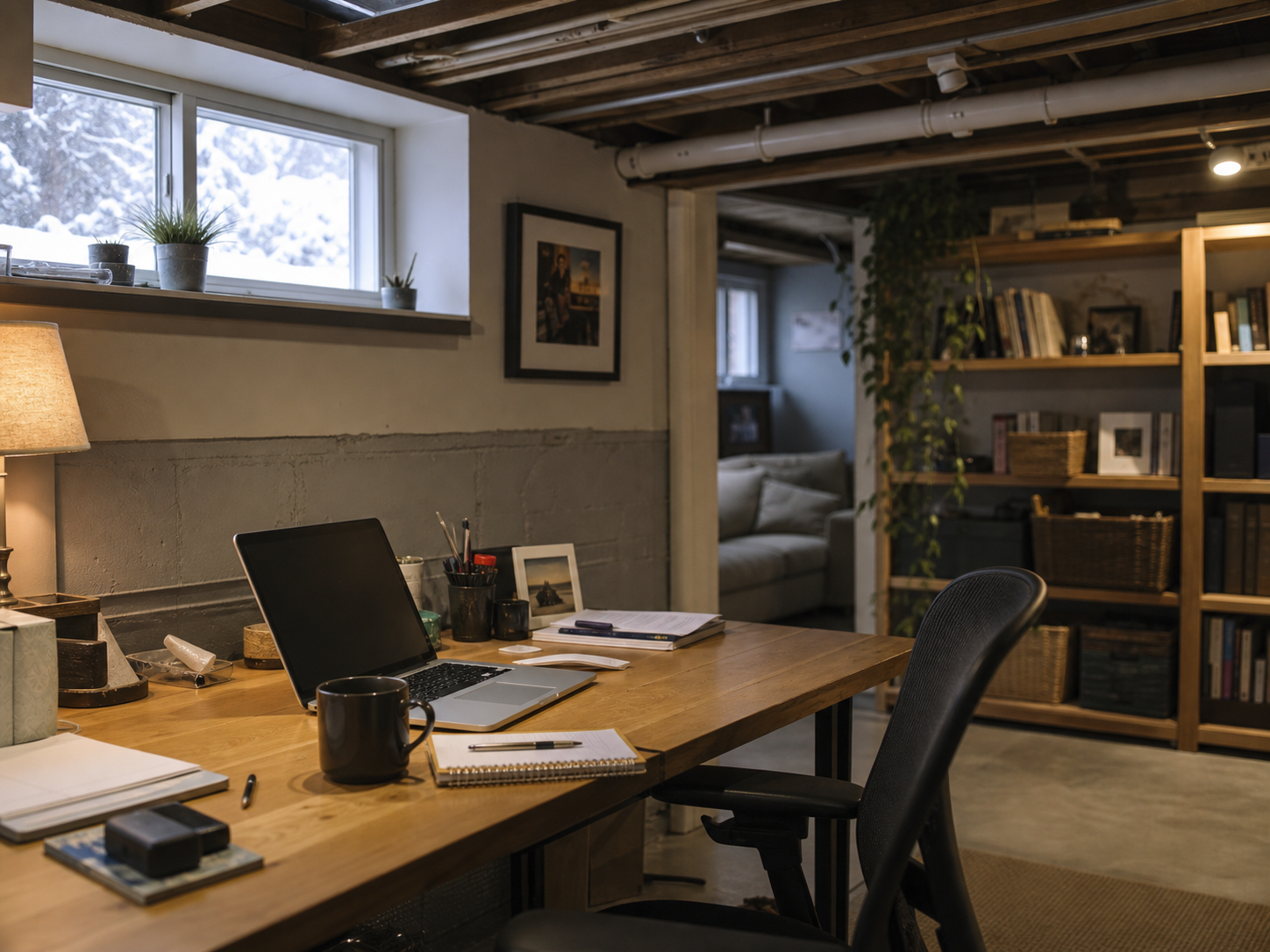
Basement offices are changing what homeowners need to test · 3 mins read
Finished lower levels change what counts as an occupied room, so testing belongs before the space gets furnished.
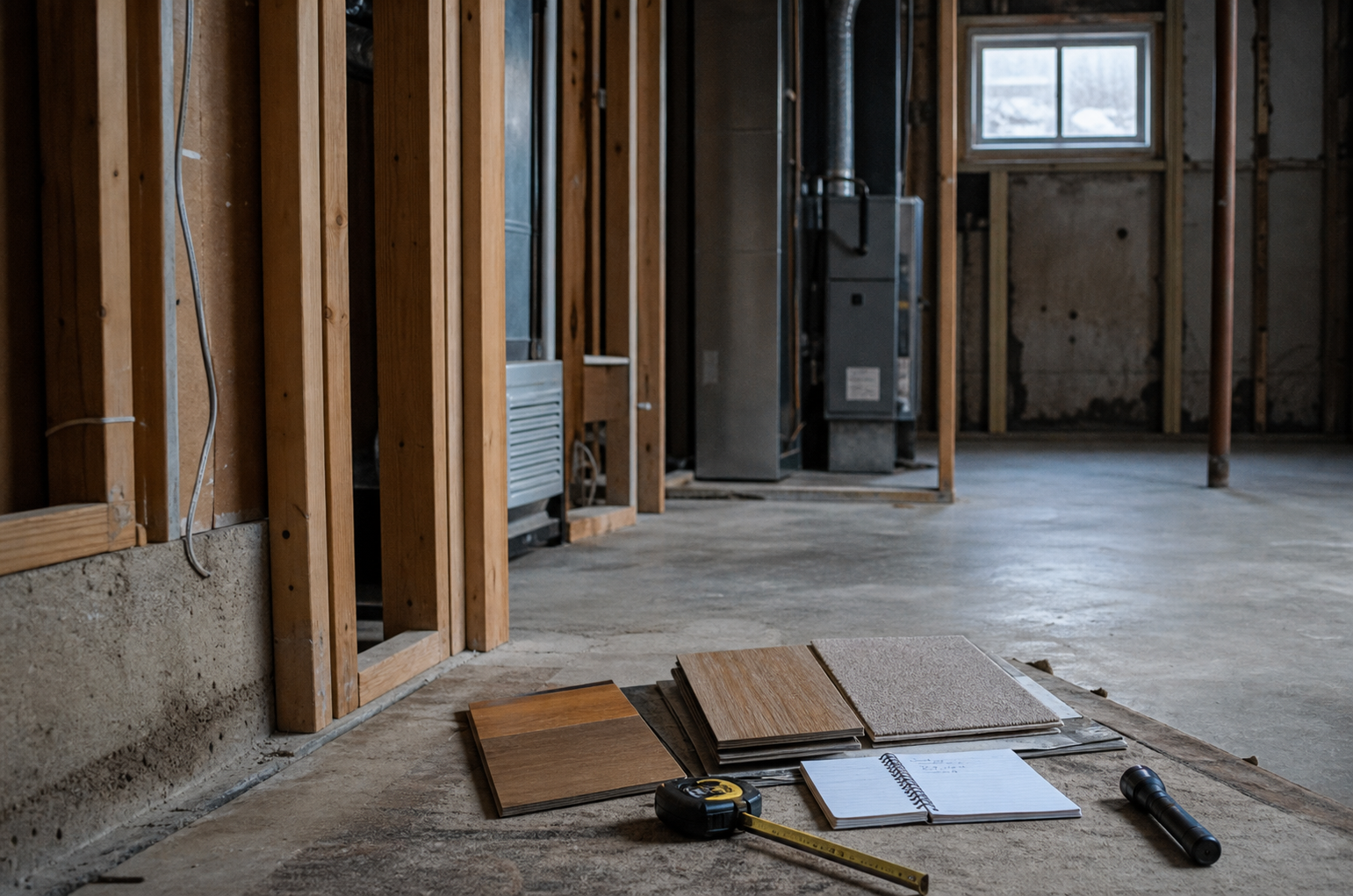
Air quality belongs in renovation planning before finishes · 3 mins read
Renovation planning should consider indoor air before new materials lock problems in place.
💡 Opinions & How-Tos
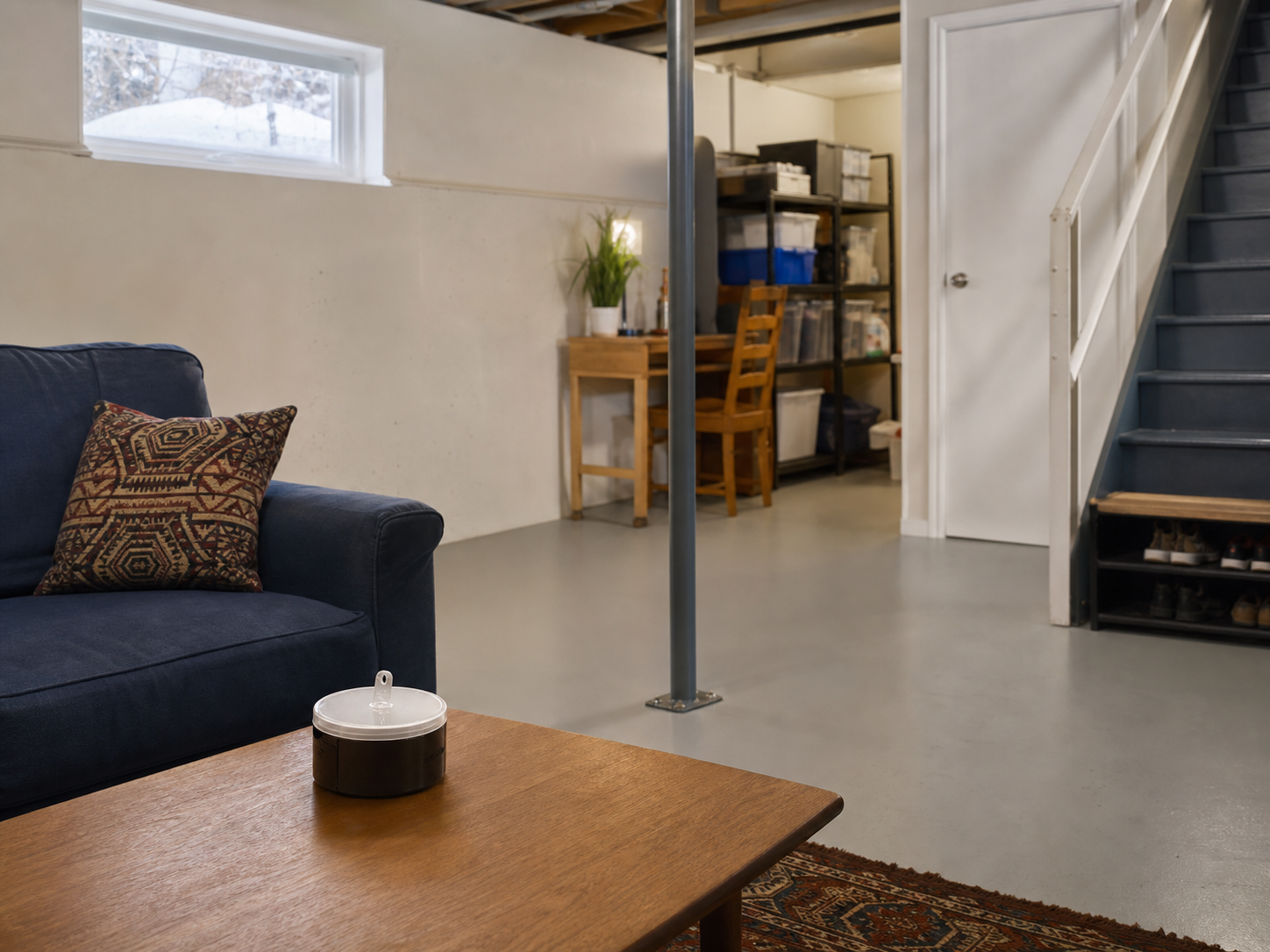
Test first, finish second · 4 mins read
Use the long-term radon test first so the decision is based on a real reading, not a quick guess.
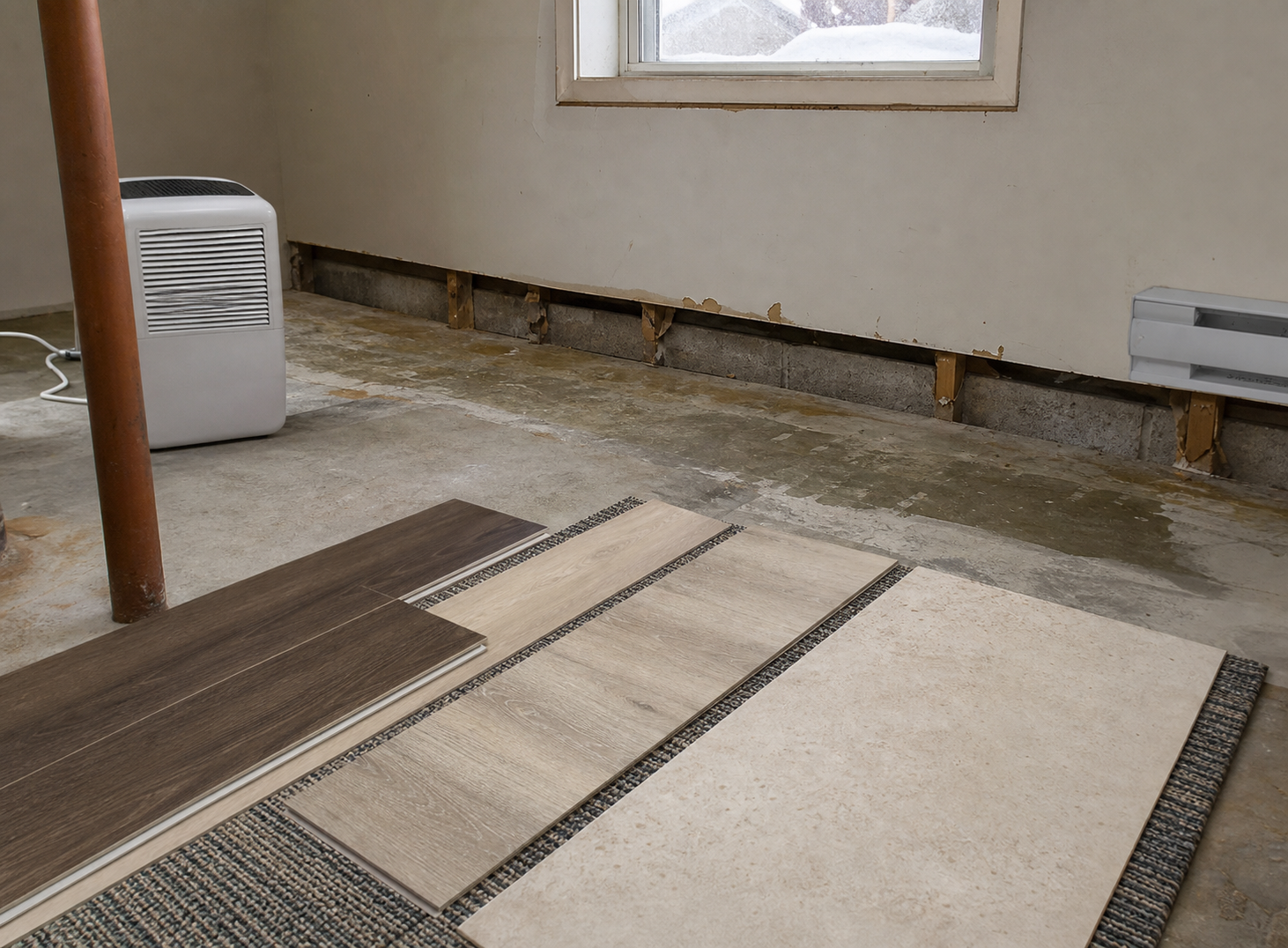
Check humidity before choosing flooring · 4 mins read
Humidity should shape flooring choices before you cover the floor and trap the problem.
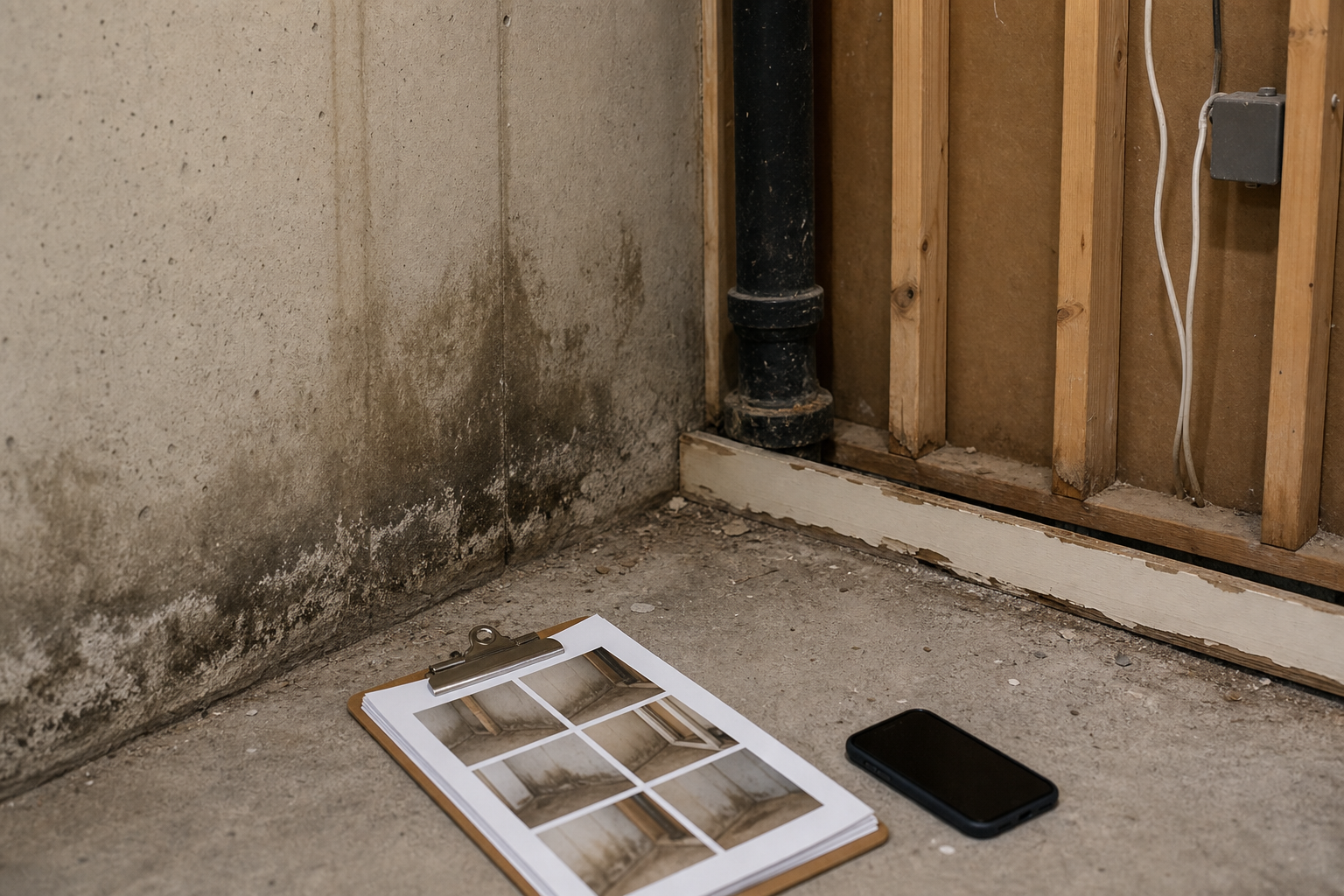
Do not hide evidence behind drywall too early · 4 mins read
If stains, smells, dust, or dampness are still visible, do not hide the clue behind drywall yet.
📦 New Products
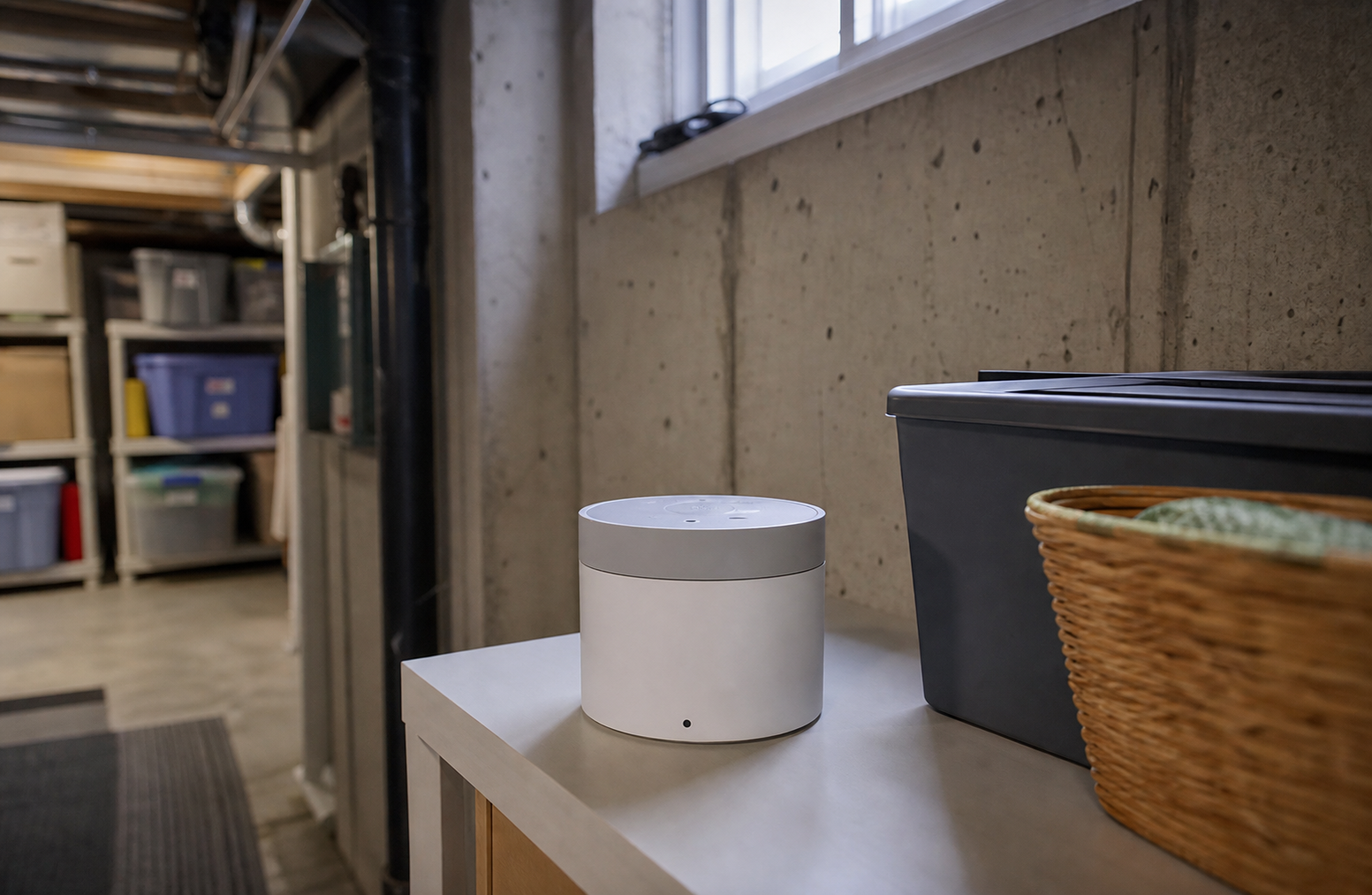
Consumer radon monitors only help when you understand the method · 2 mins read
A monitor is only useful when the homeowner understands method, placement, and what action the reading should trigger.
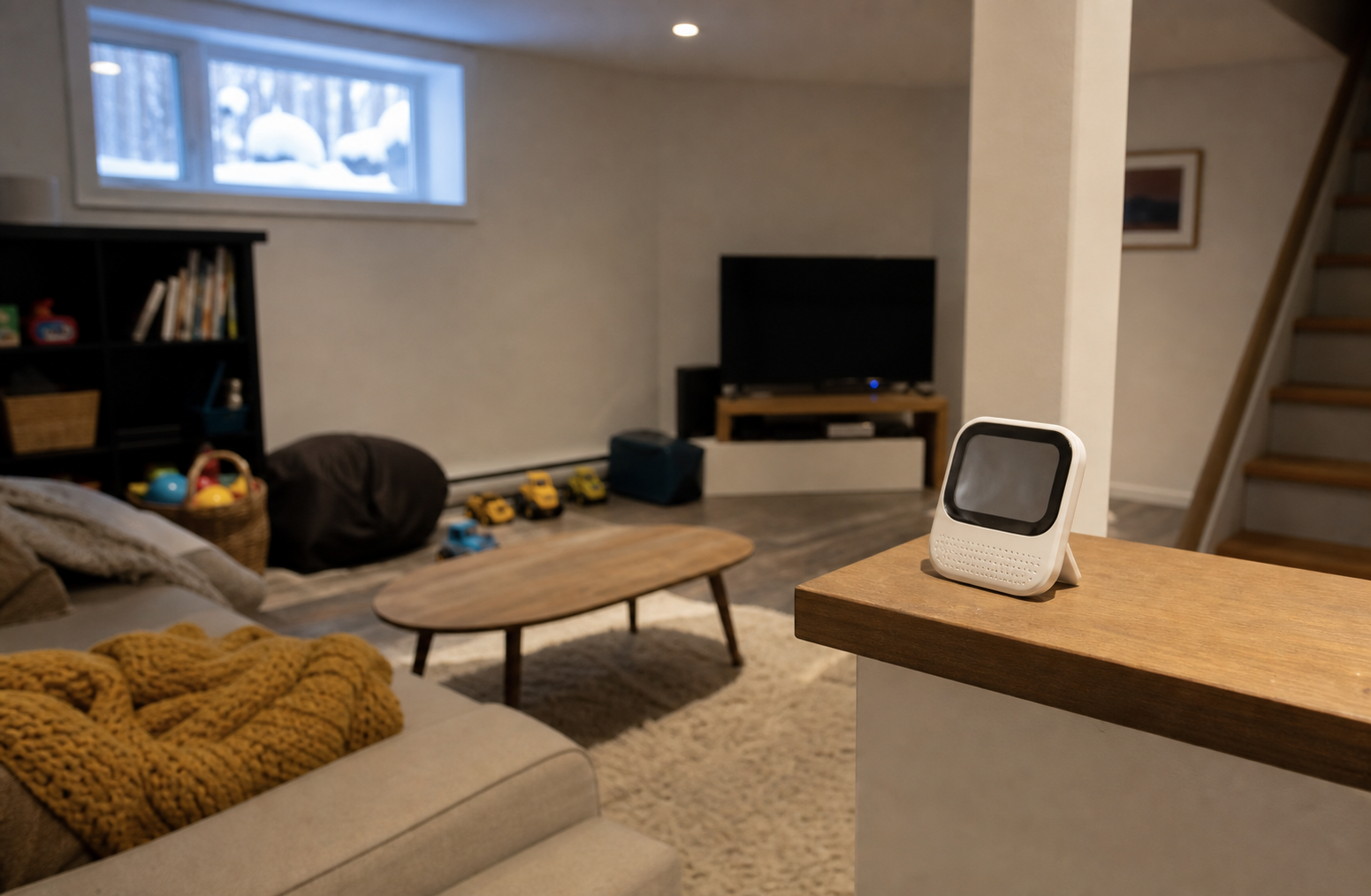
Air monitors that explain action, not just numbers · 2 mins read
Air monitors are tool-type examples here; the story should stay focused on what the numbers mean.
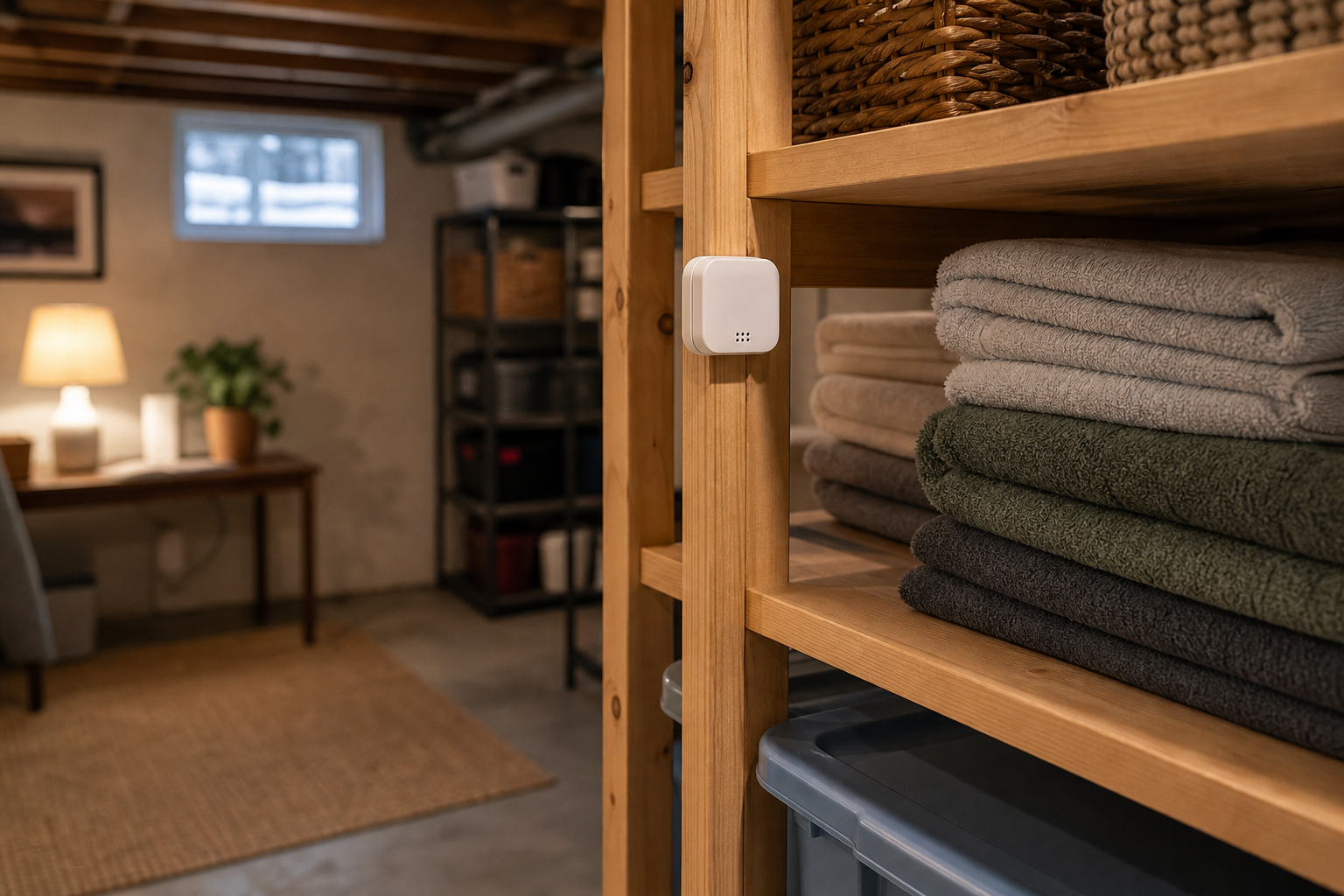
Humidity sensors for storage rooms and lower levels · 2 mins read
Low-cost humidity sensors help with tracking, not solving the moisture source.
🏷️ New Deals
Start the radon kit before renovation season · 2 mins read
A radon-kit page is most useful when it sits next to the testing rule and the renovation timeline.
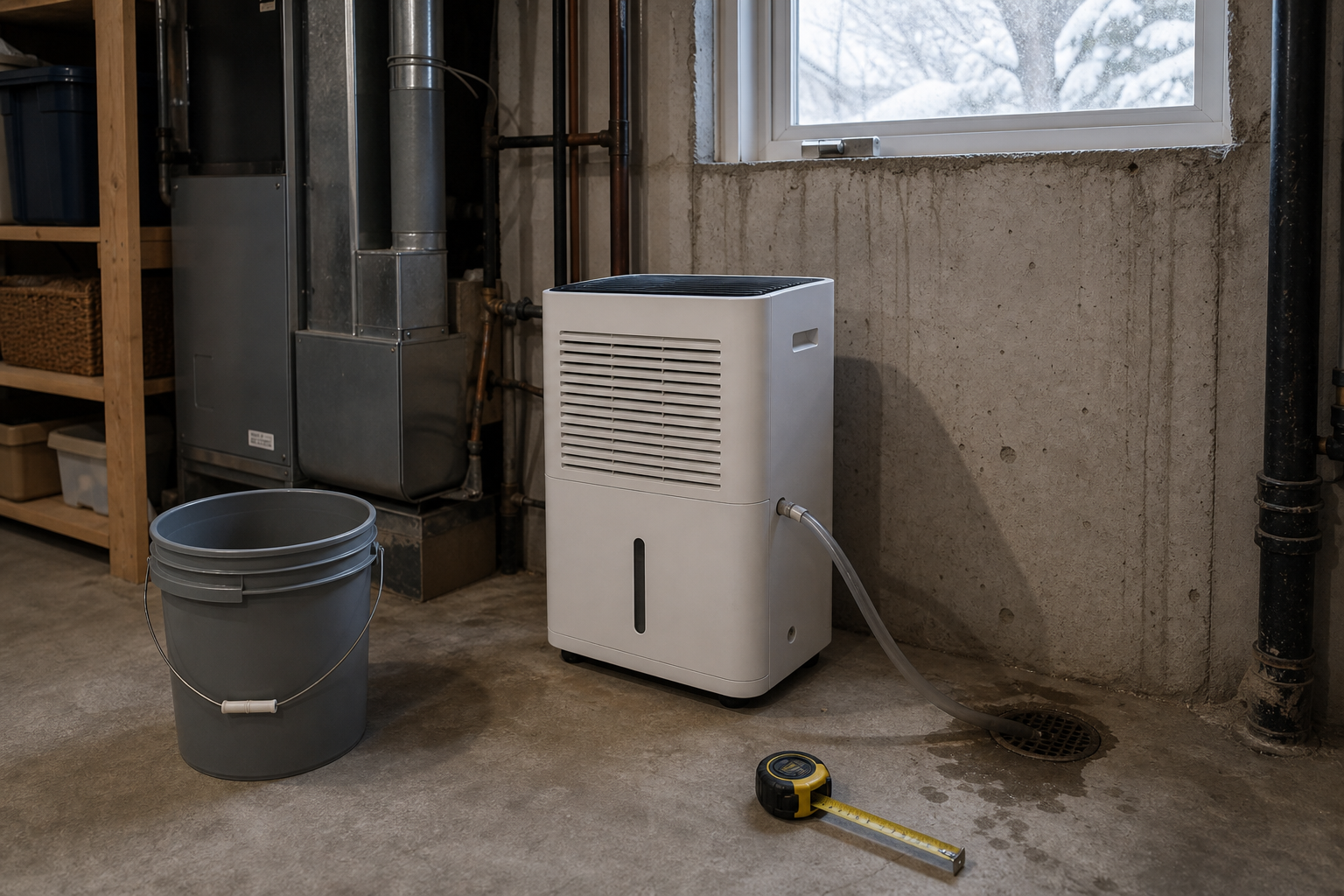
Dehumidifier deals that need capacity checks · 2 mins read
Dehumidifier deals need room size, drainage, and temperature checks before price becomes the deciding factor.
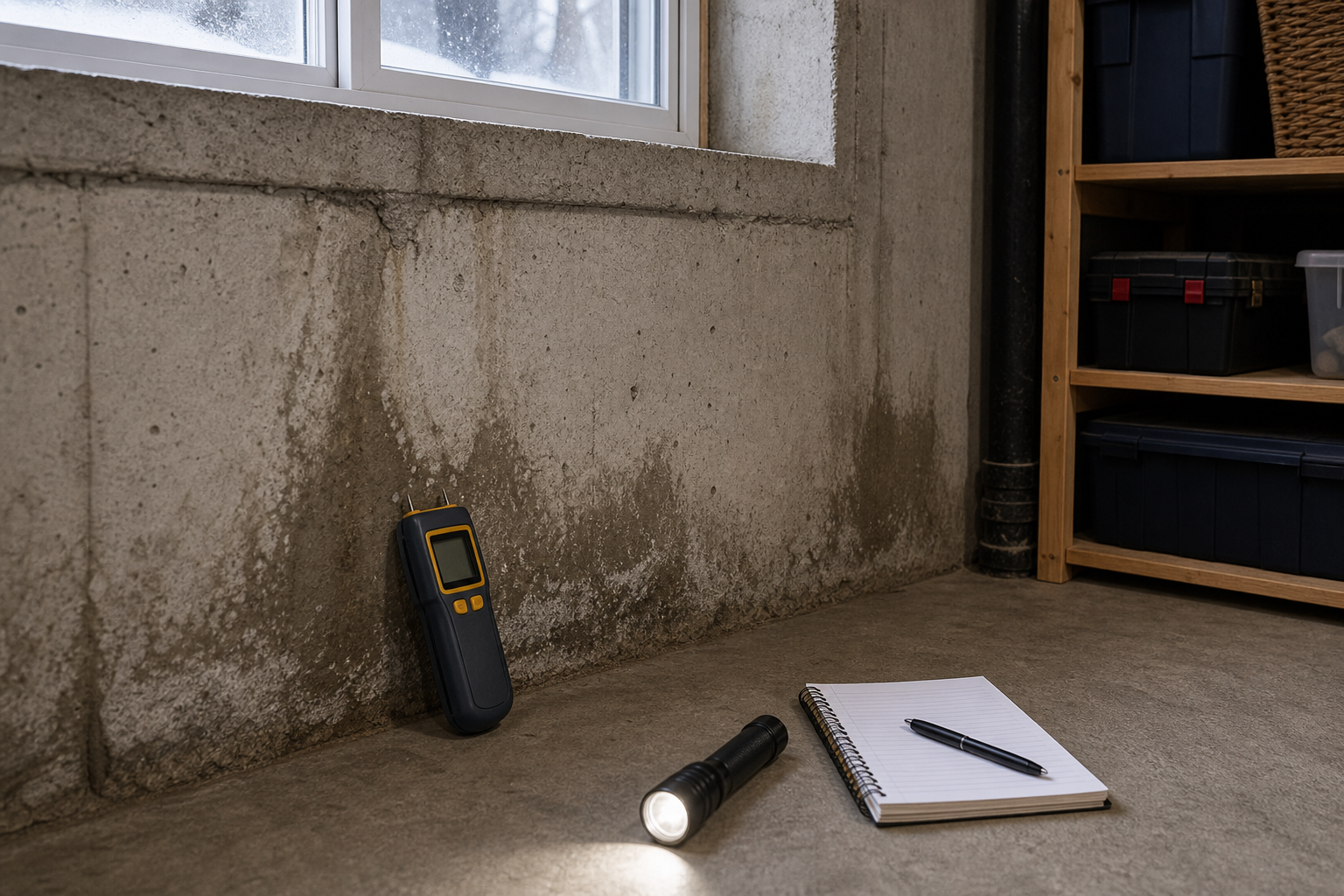
Moisture meters that help only with repeat readings · 2 mins read
Moisture meters only matter if the reader uses repeat readings and photos, not a single spike.
📍 Local Lens
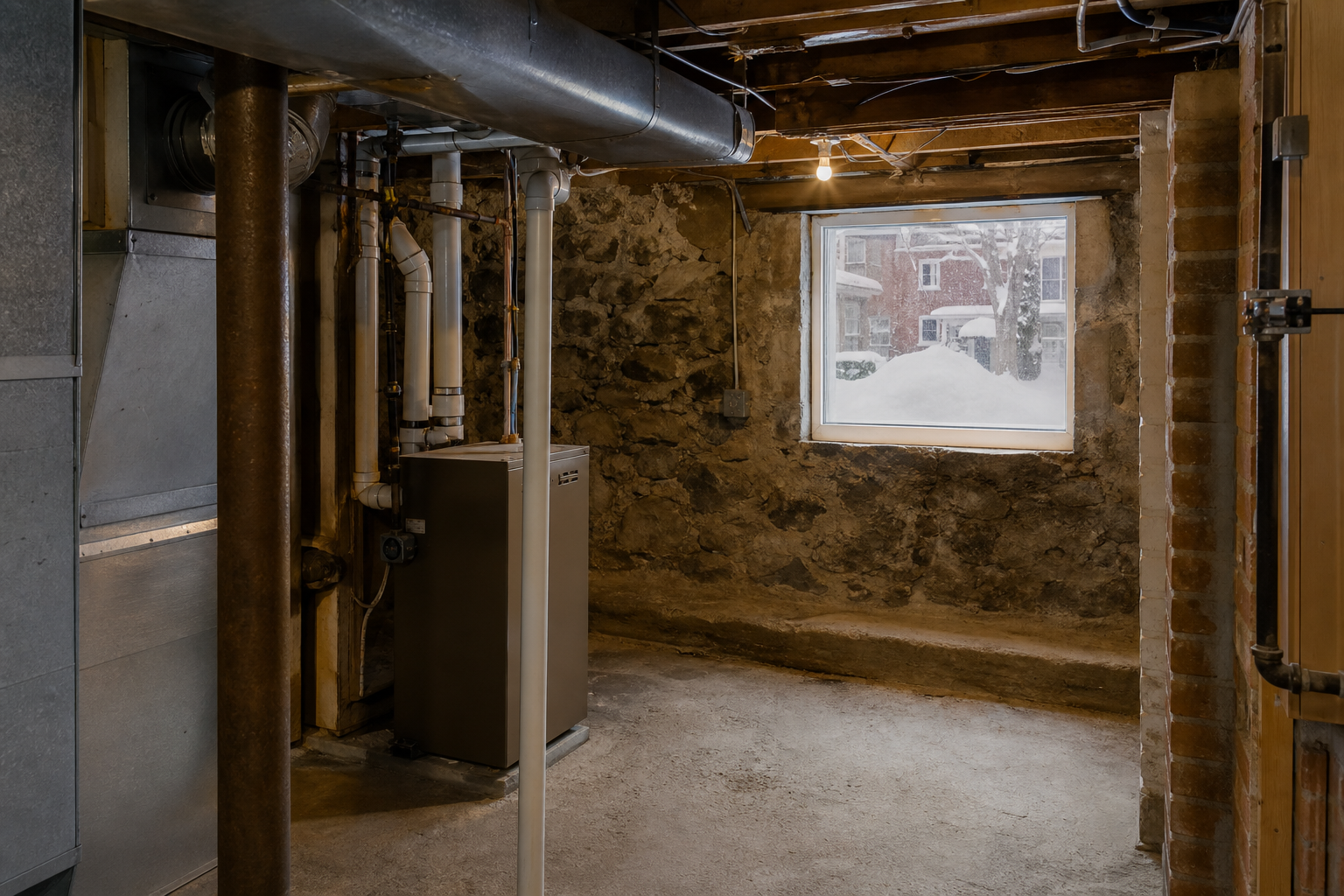
Montreal radon patterns still vary block by block · 3 mins read
Use local survey context to explain why neighboring basements may not share the same radon reality.
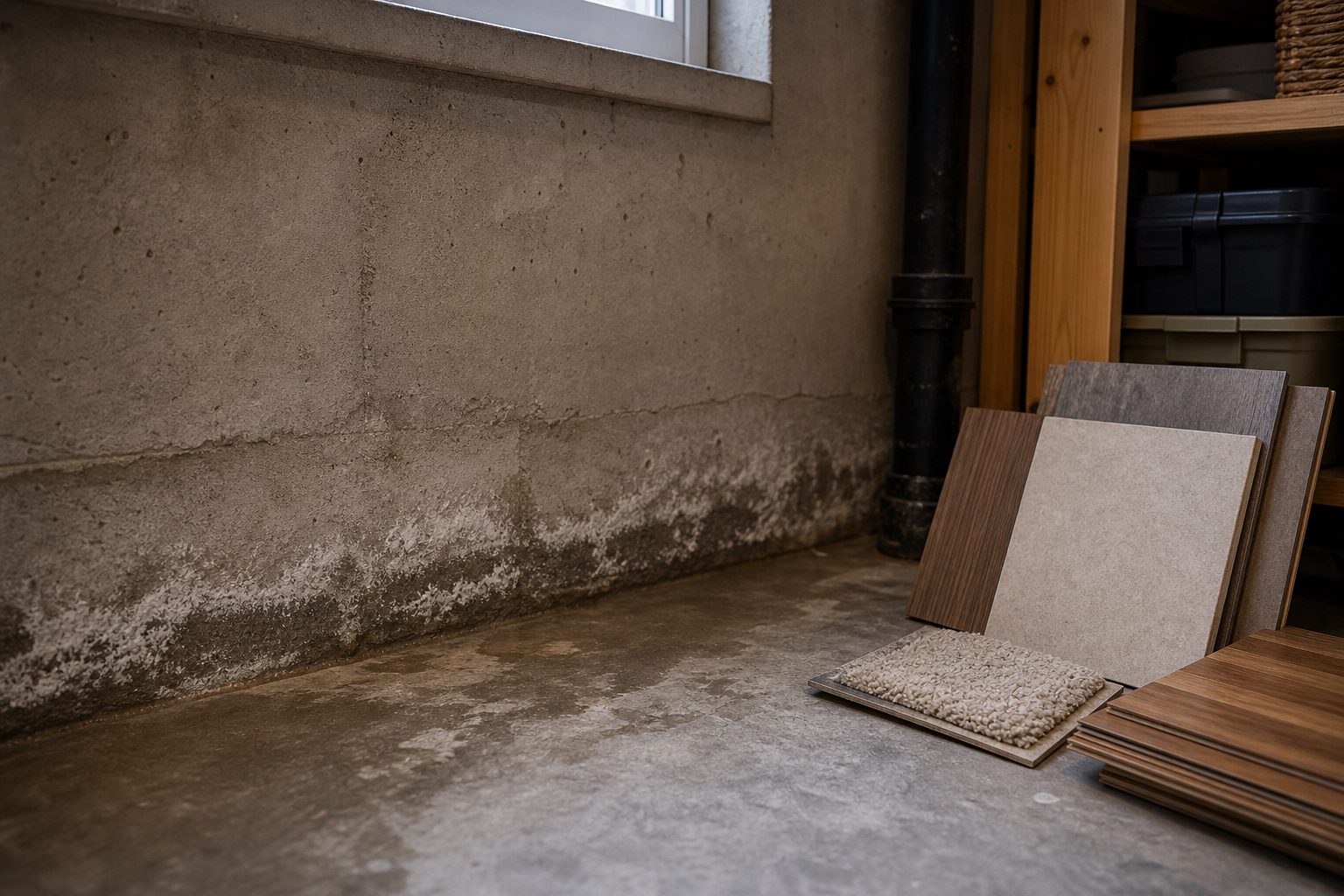
Quebec's mould guide starts where Montreal basements get damp · 3 mins read
Quebec's mould guidance fits Montreal basements best when the summary stays focused on damp clues and prevention.
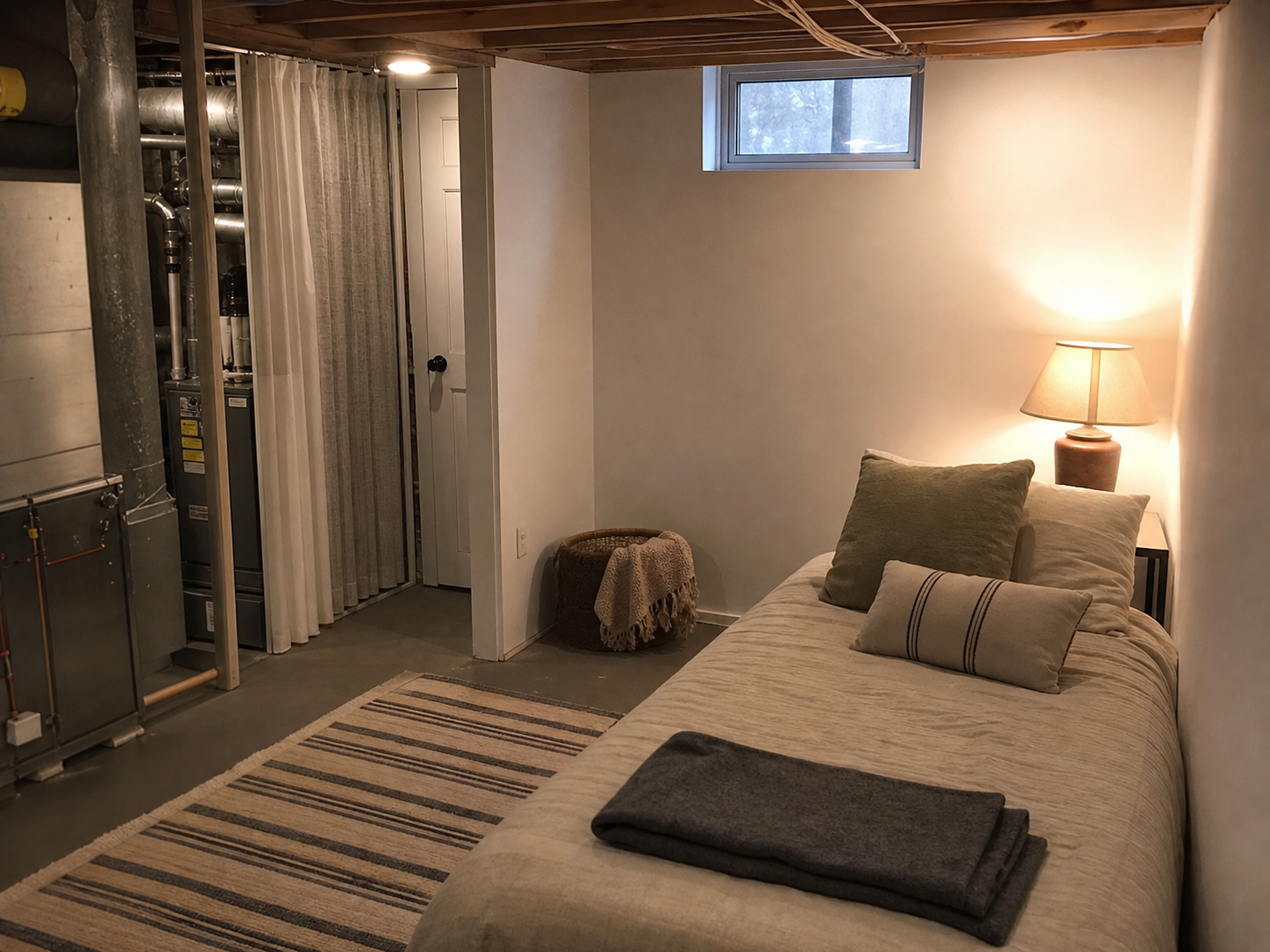
Test radon before turning a basement into a rental room · 3 mins read
Rental-room planning needs testing before use, not after the room already feels finished.