A quick note from the editor:
Read winter electricity use, room comfort, and household routines before deciding whether the next move is thermostat, insulation, air sealing, monitoring, or a larger upgrade.
🧭 What should I do next?
Should I care?
A high winter bill does not automatically mean you need a major upgrade. Shopping too early makes it easier to spend on the wrong fix.
Who is affected?
Older Quebec homes with cold rooms, electric heating, or households thinking about thermostats, insulation, or a larger energy project before understanding what is really driving the bill.
What's next?
Open your Hydro-Quebec usage history and compare one cold week with your most uncomfortable rooms before shopping for equipment.
📰 News & Trends
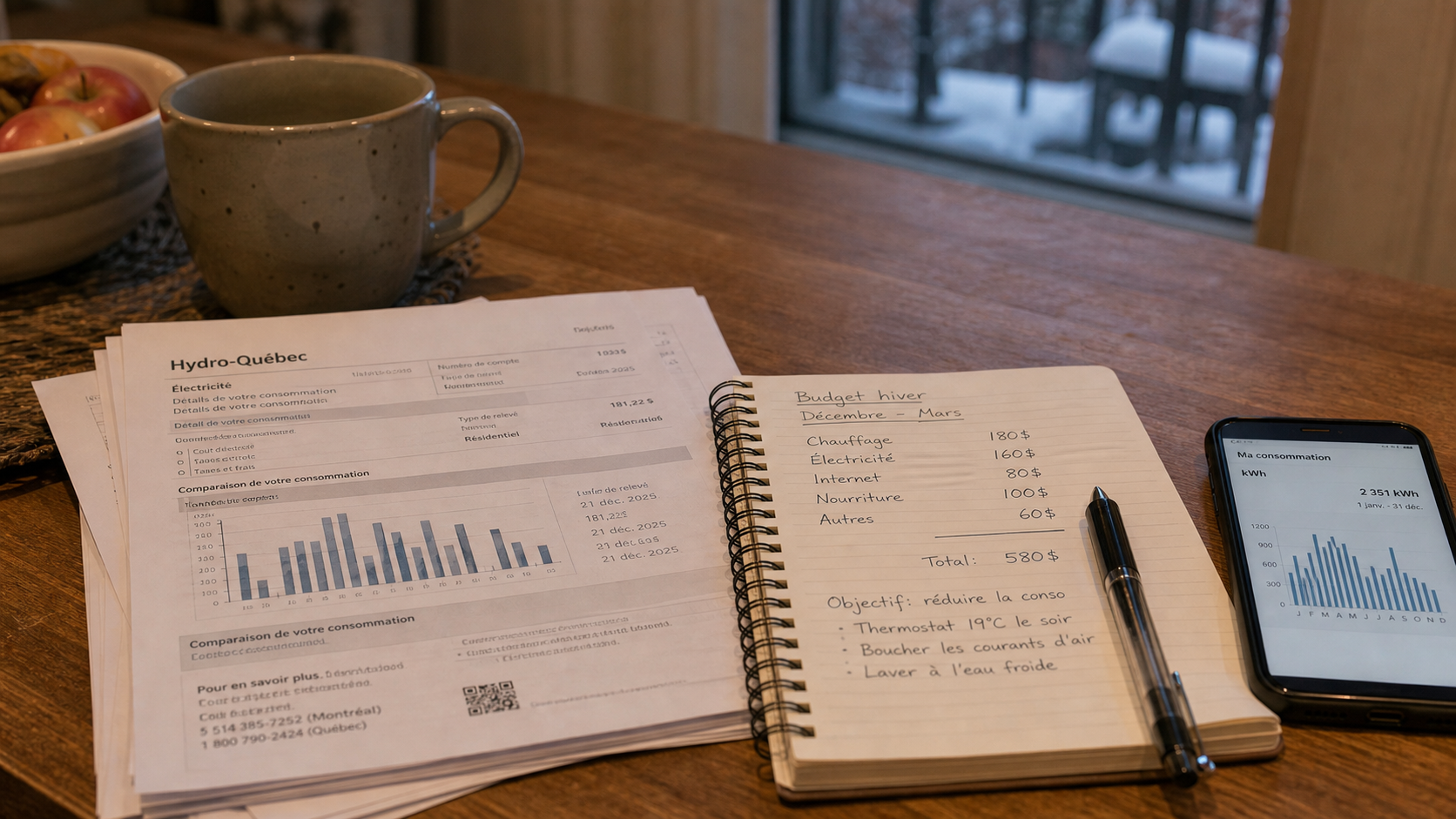
Winter bills are becoming the first energy audit · 3 mins read
Start with your own usage history before pricing gear or upgrades. The bill is the first practical read on how the house behaves in winter.
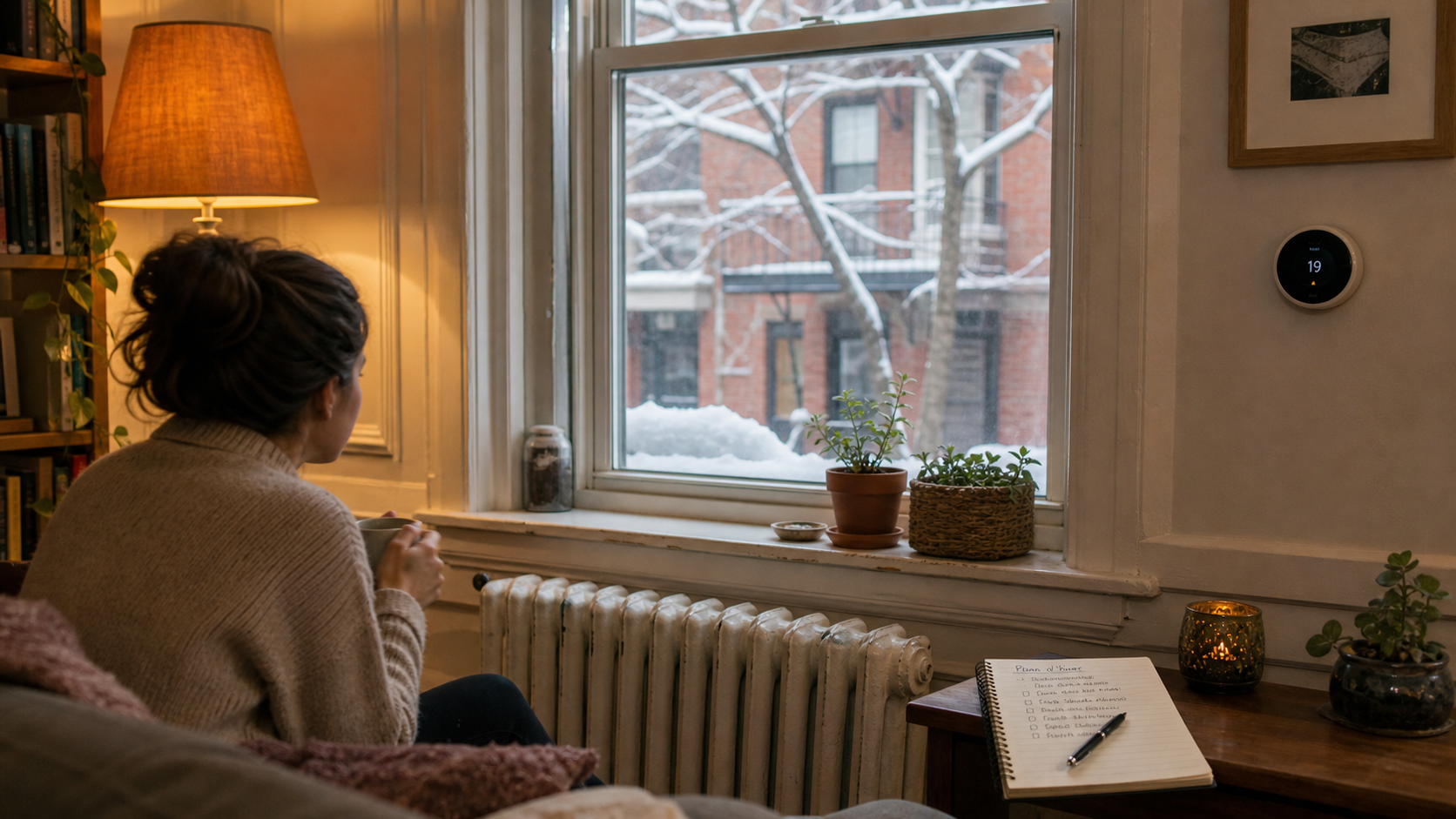
Utility programs are becoming part of normal home planning · 3 mins read
Tips and utility programs matter most when the home is already under winter pressure, so they should sit inside normal planning instead of emergency scrambling.
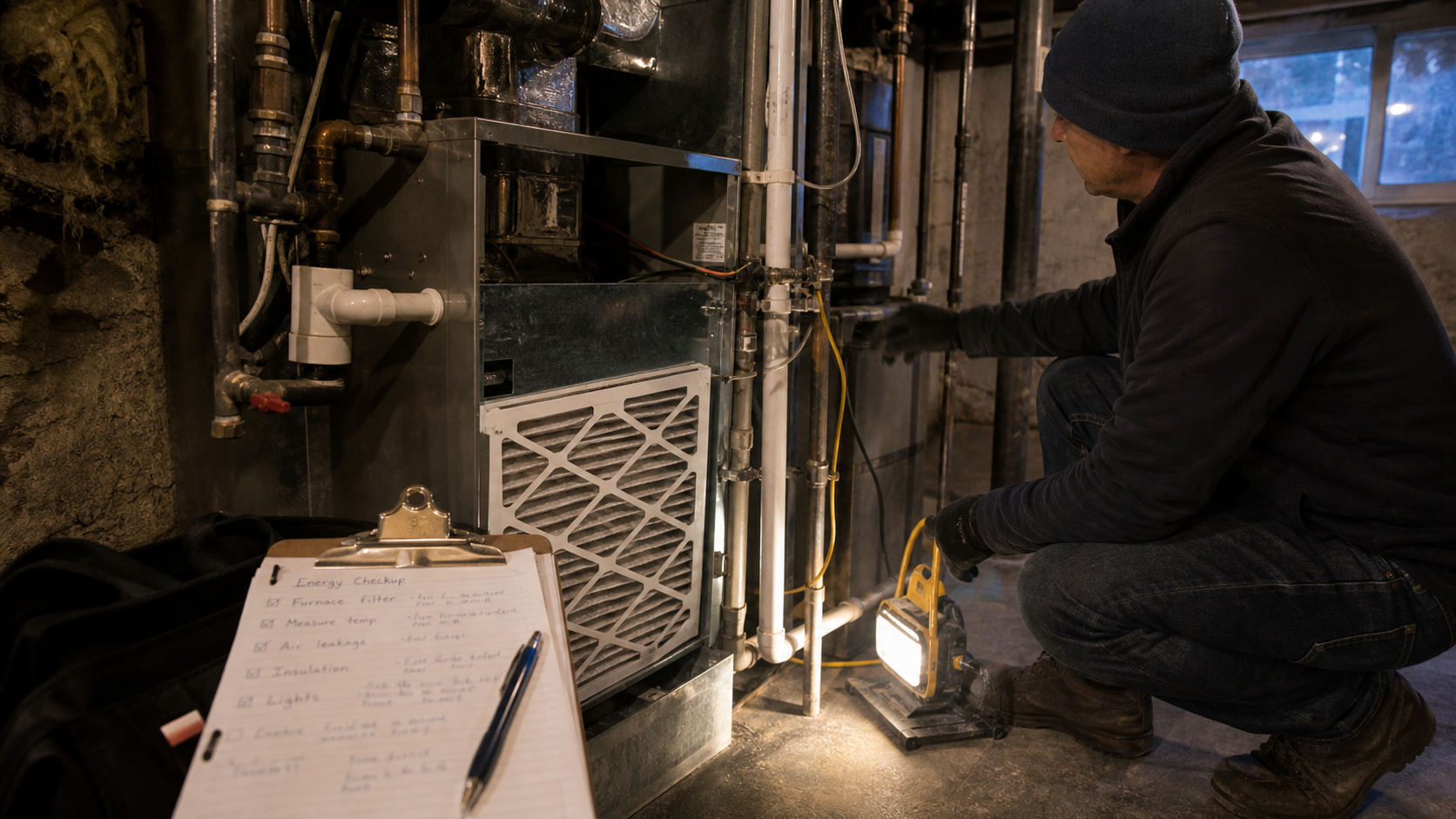
Home upgrades start with usage patterns, not equipment catalogs · 3 mins read
Read the pattern first: weather, envelope, habits, and appliances all show up before the shopping list should.
💡 Opinions & How-Tos
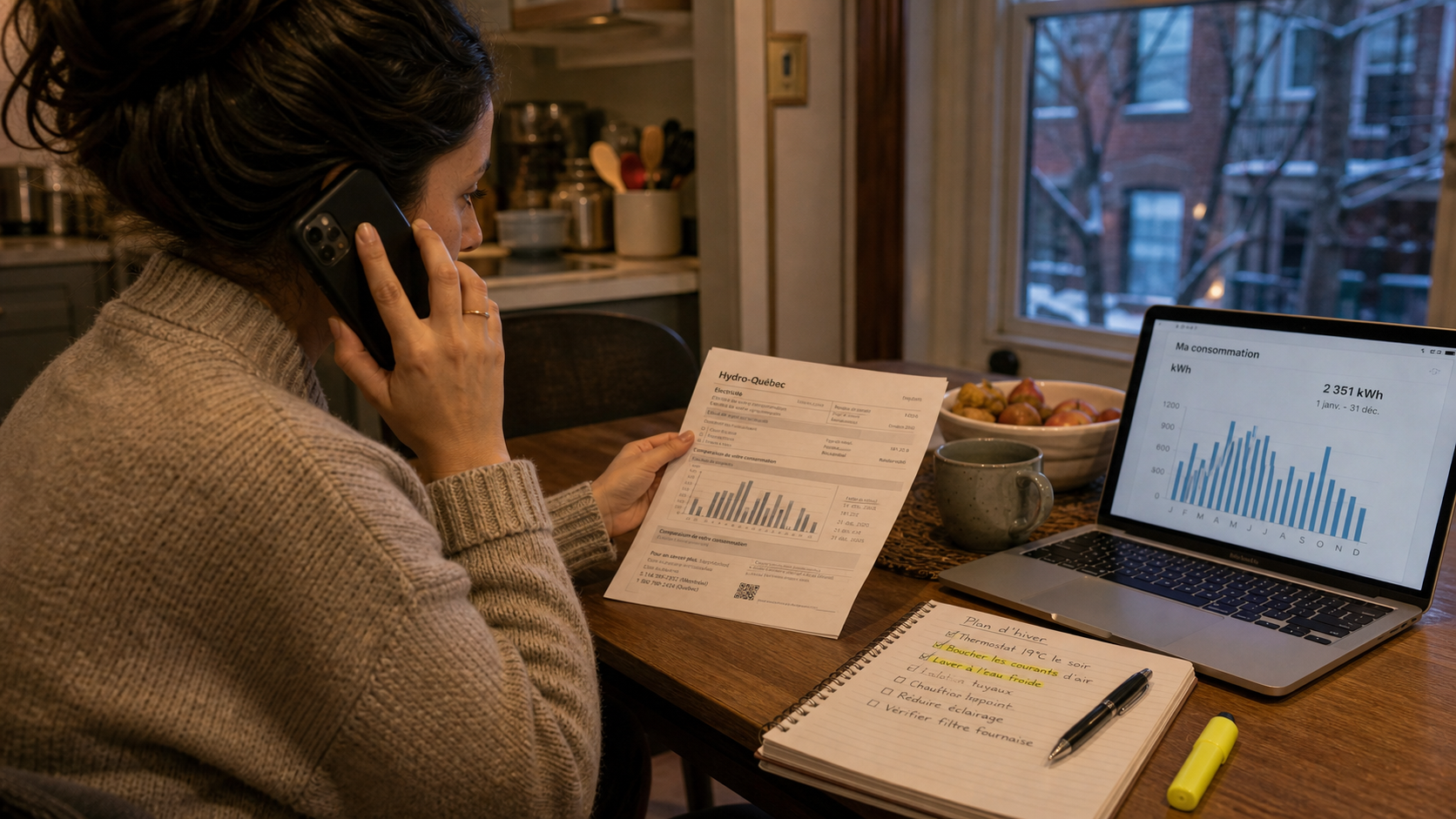
Read your Hydro-Quebec usage chart before calling contractors · 4 mins read
Open the chart before anyone opens a quote. Your own history is the cleanest starting point for a smarter conversation.
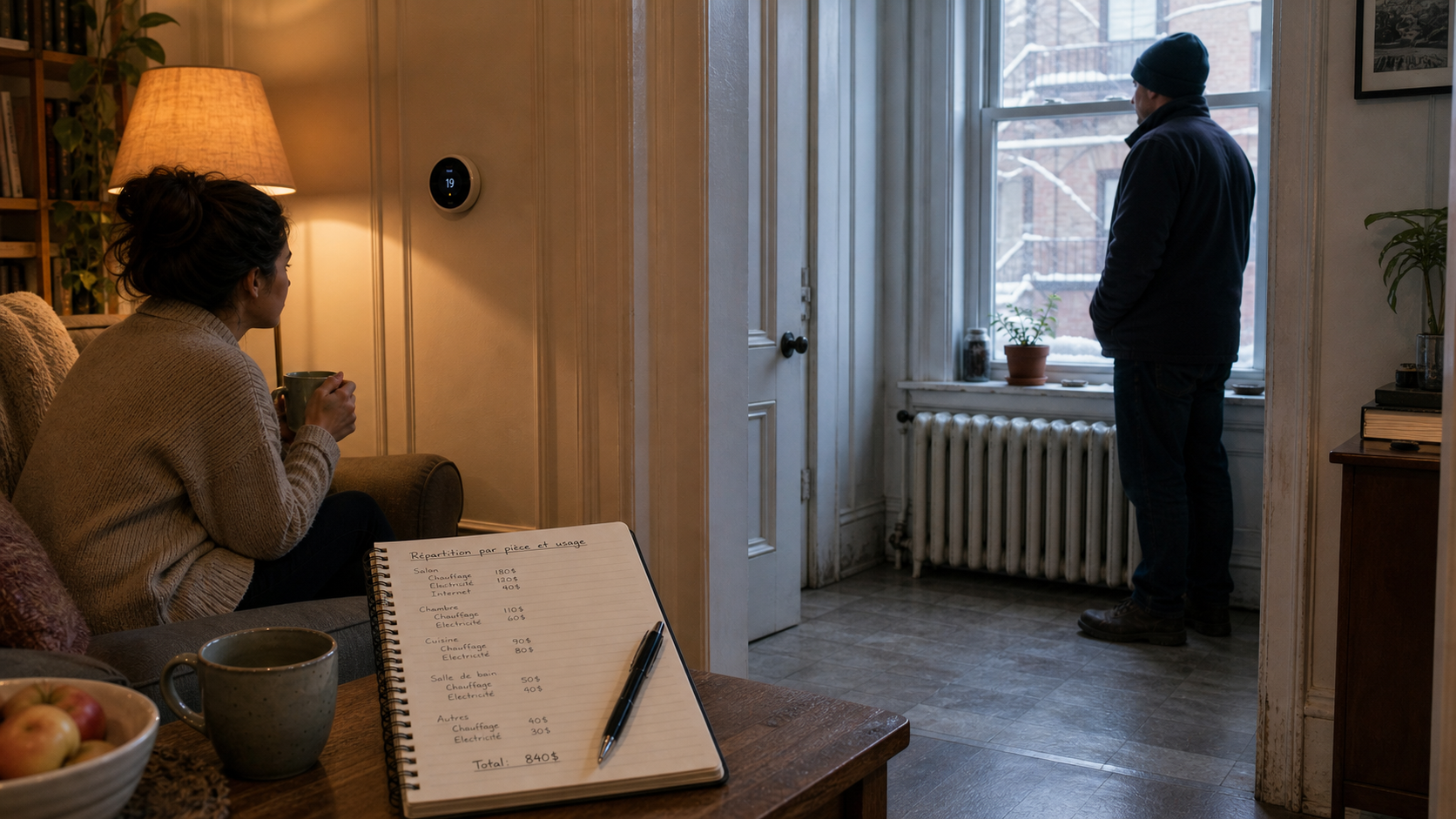
Separate heating load from household habit · 4 mins read
Heating is one part of the bill, not the whole story. Split heating, hot water, appliances, electronics, and routines before deciding what to fix.
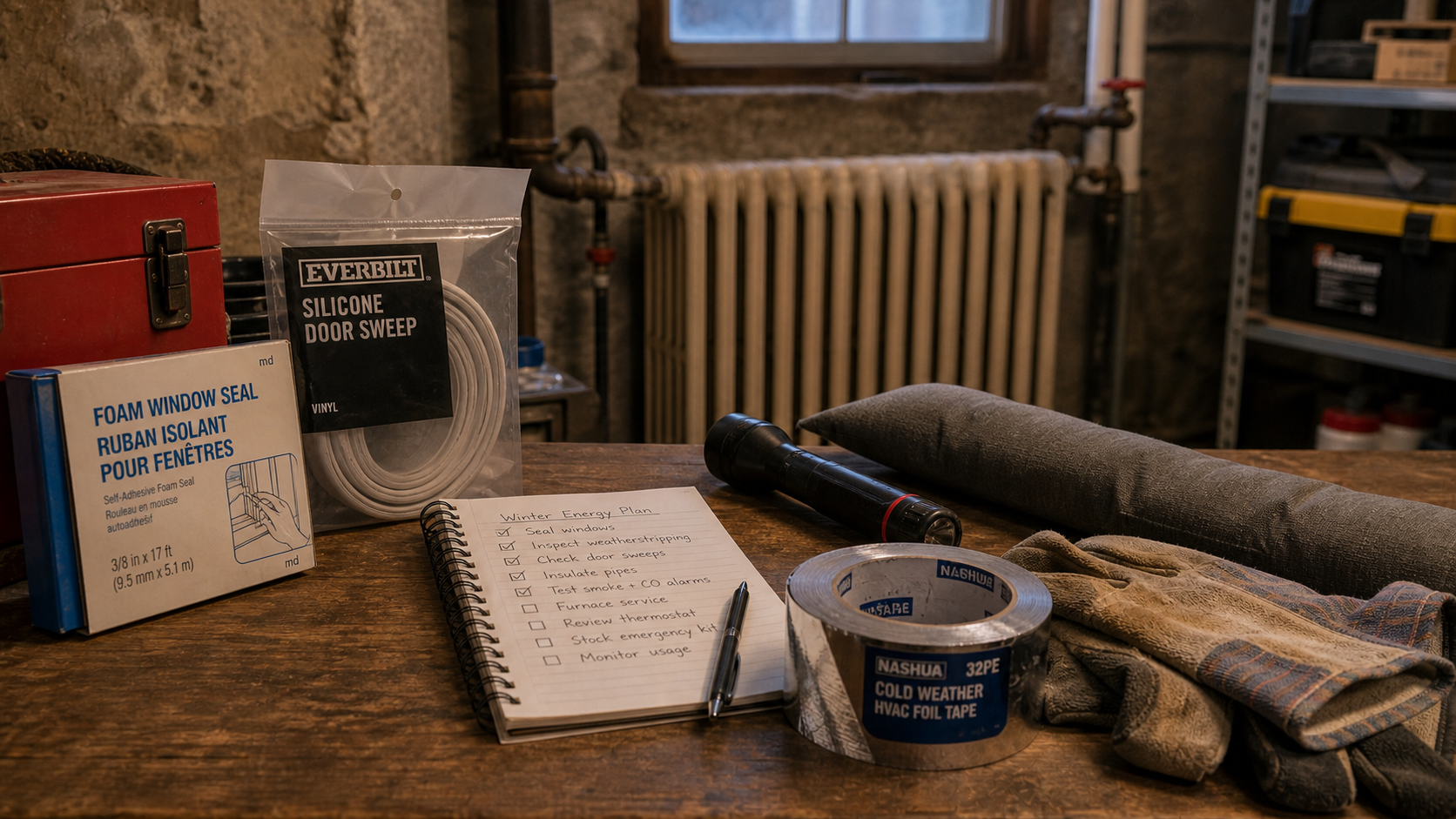
Saving energy around the house · 3 mins read
Treat this as a room-by-room winter habits story for Greater Montreal, not a generic energy explainer.
🧰 New Products
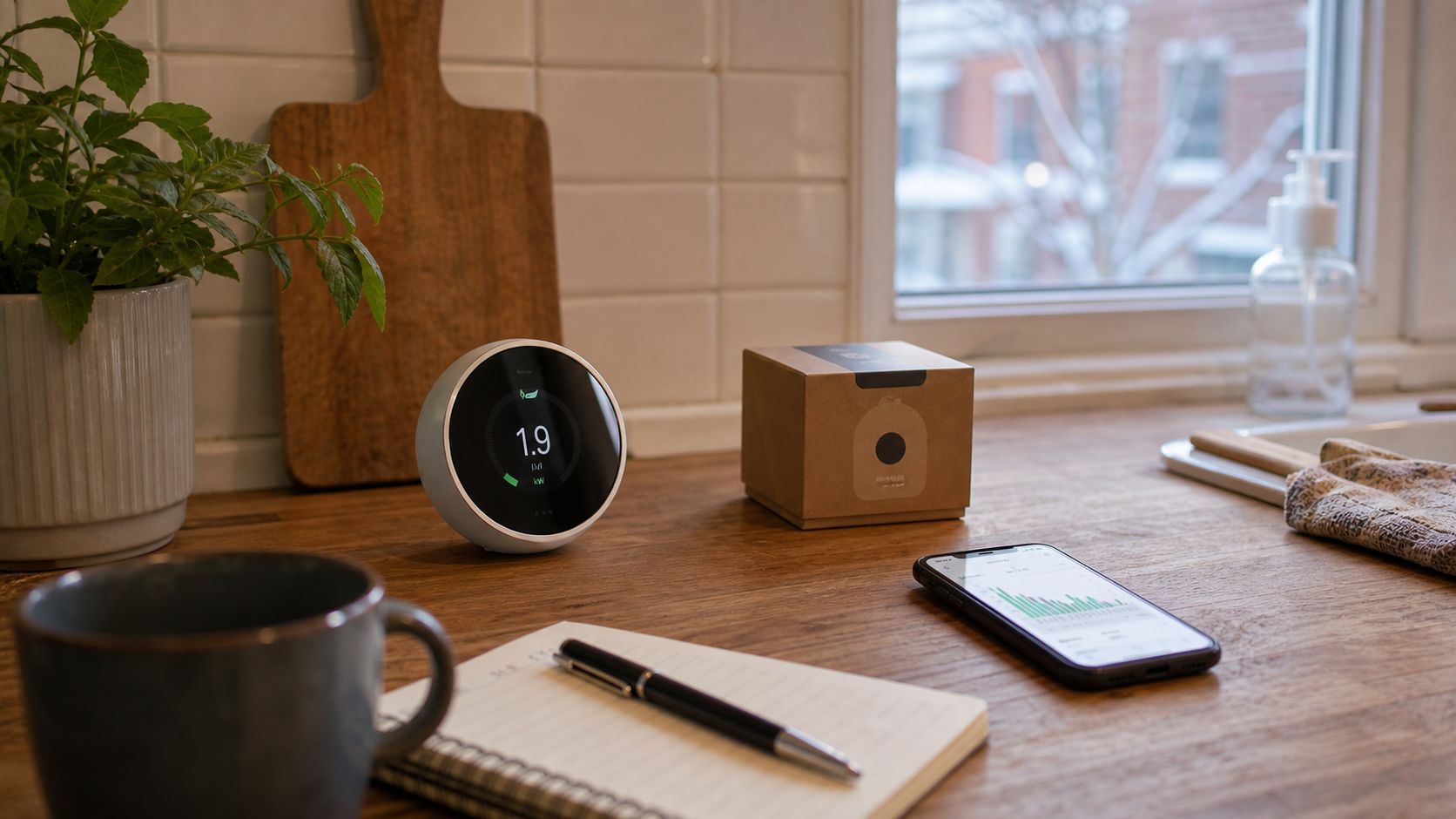
Energy monitors that help only if you act on the data · 2 mins read
A monitor only helps if it changes a decision. Keep it as a tool for action, not dashboard admiration.
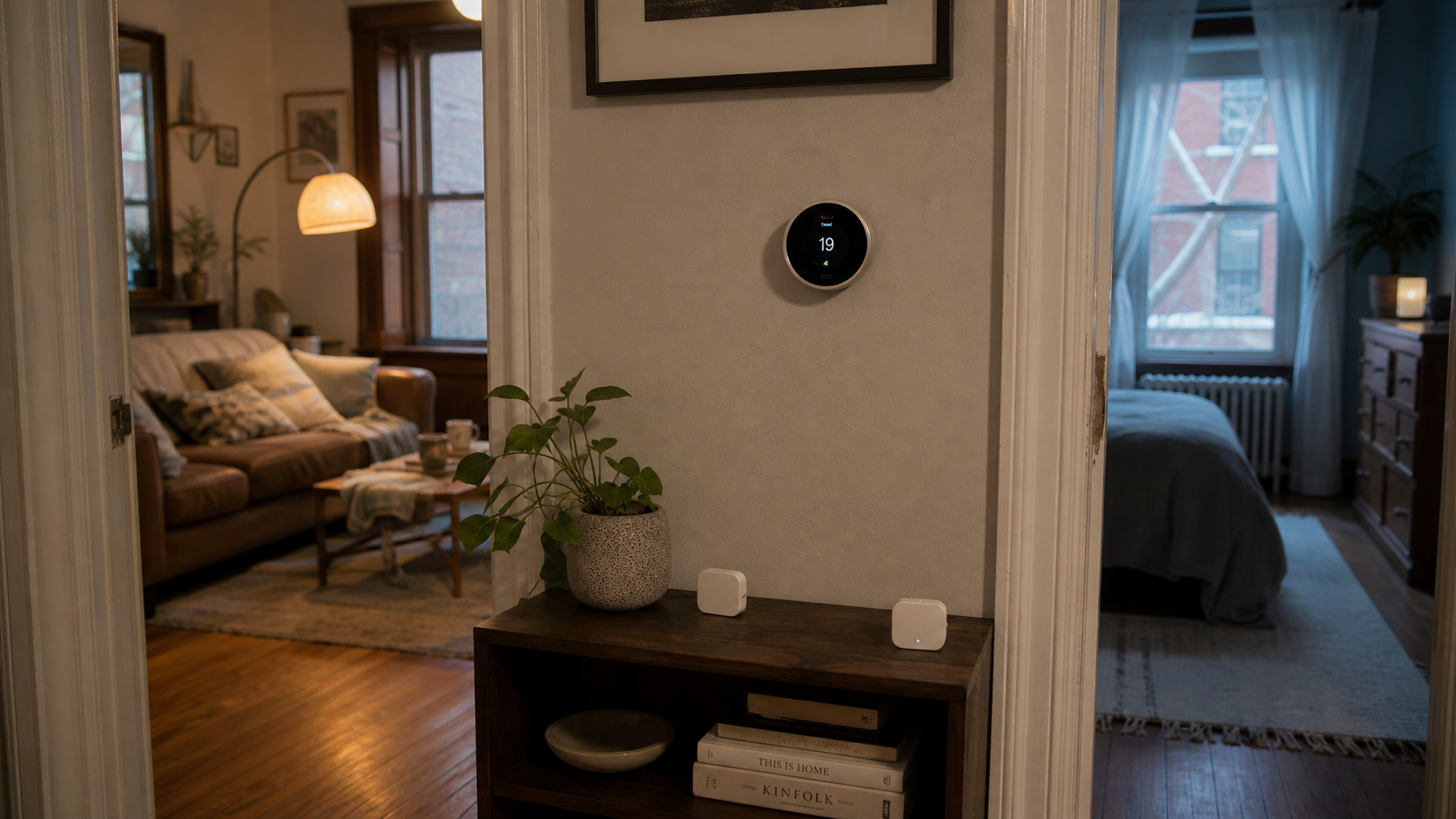
Thermostats with room sensing for uneven older homes · 2 mins read
Room sensing matters when one hallway reading is not enough. Use the local offer as context, not as an automatic answer.
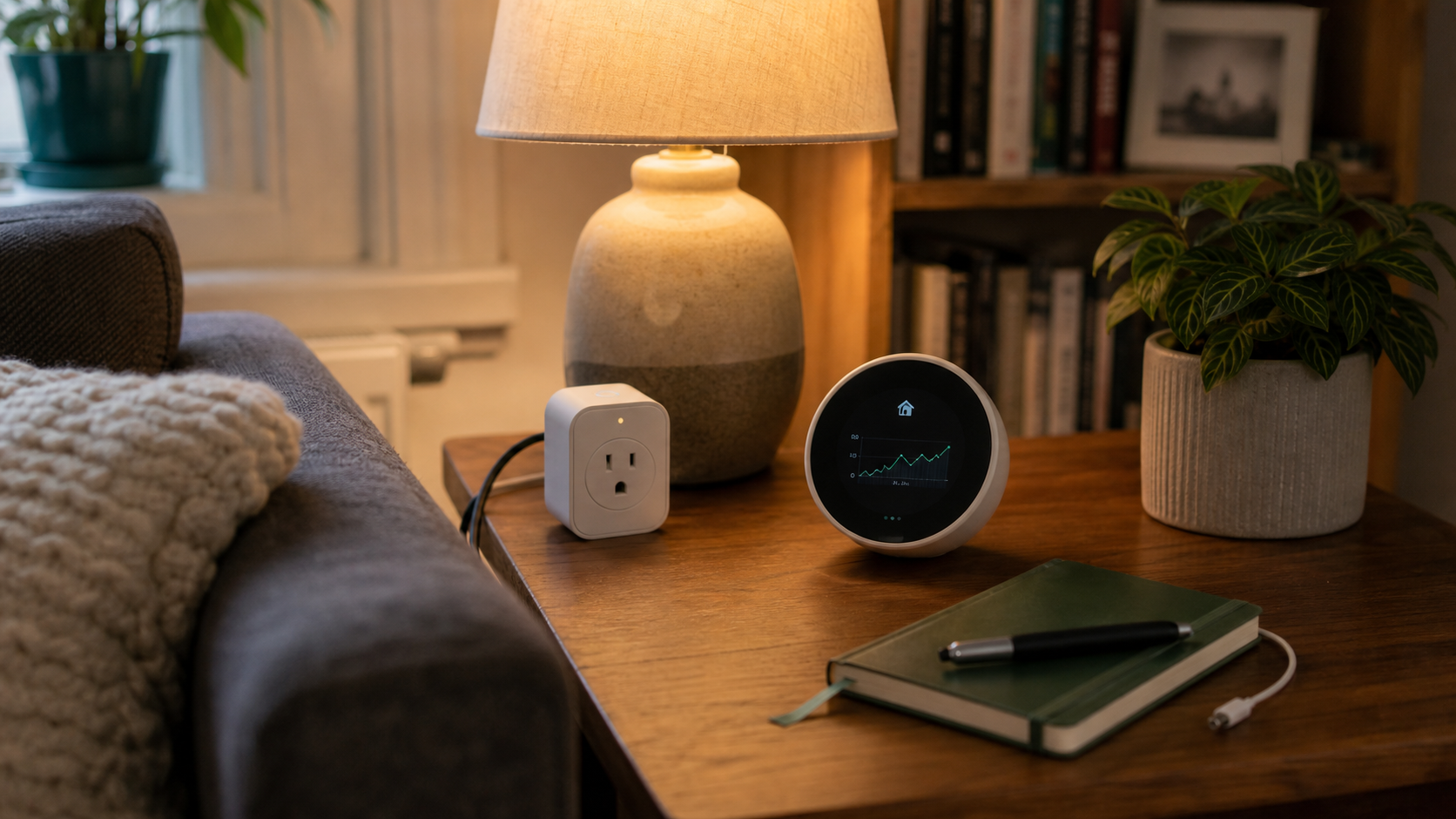
Smart plugs as low-cost appliance timing clues · 2 mins read
A smart plug can offer a clue about timing and routine, but it is not a full energy audit.
🏷️ New Deals
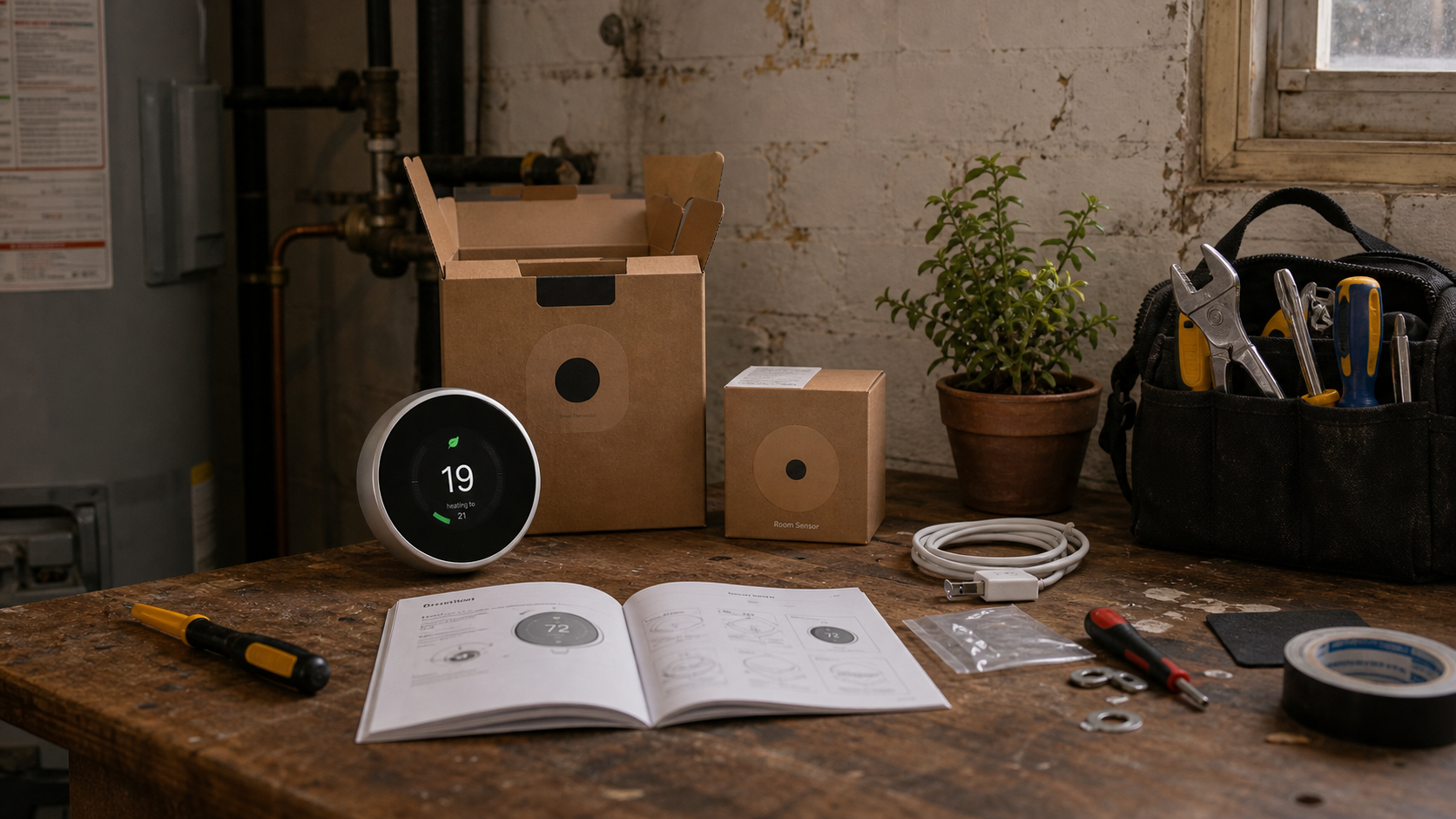
When a smart thermostat deal actually fits · 2 mins read
A real utility offer still needs to match the system, comfort pattern, and occupancy of the household.
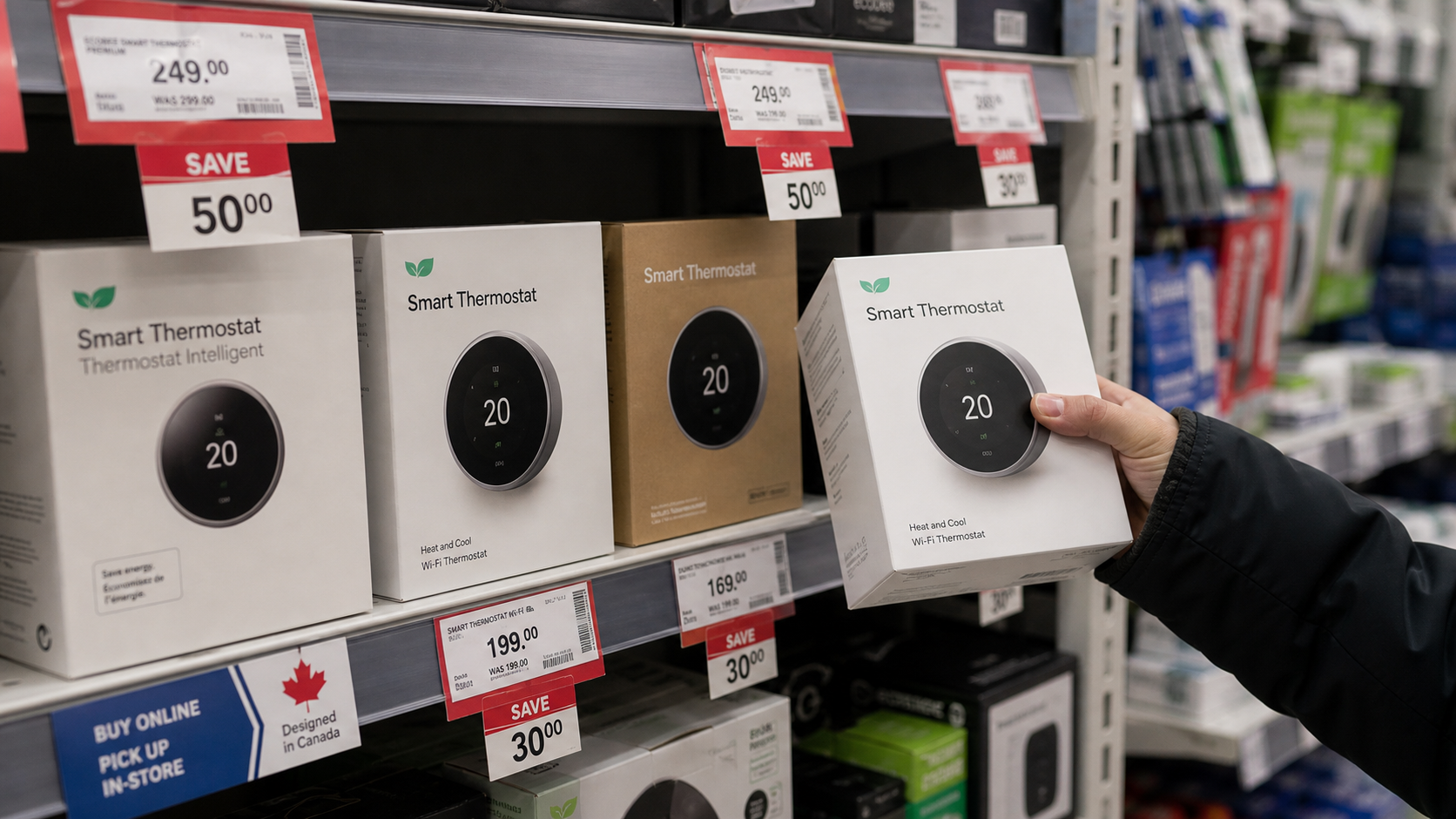
Know the energy problem before the grant · 2 mins read
Use the rebate page only after the bigger question is clear. A grant does not decide the problem for you.
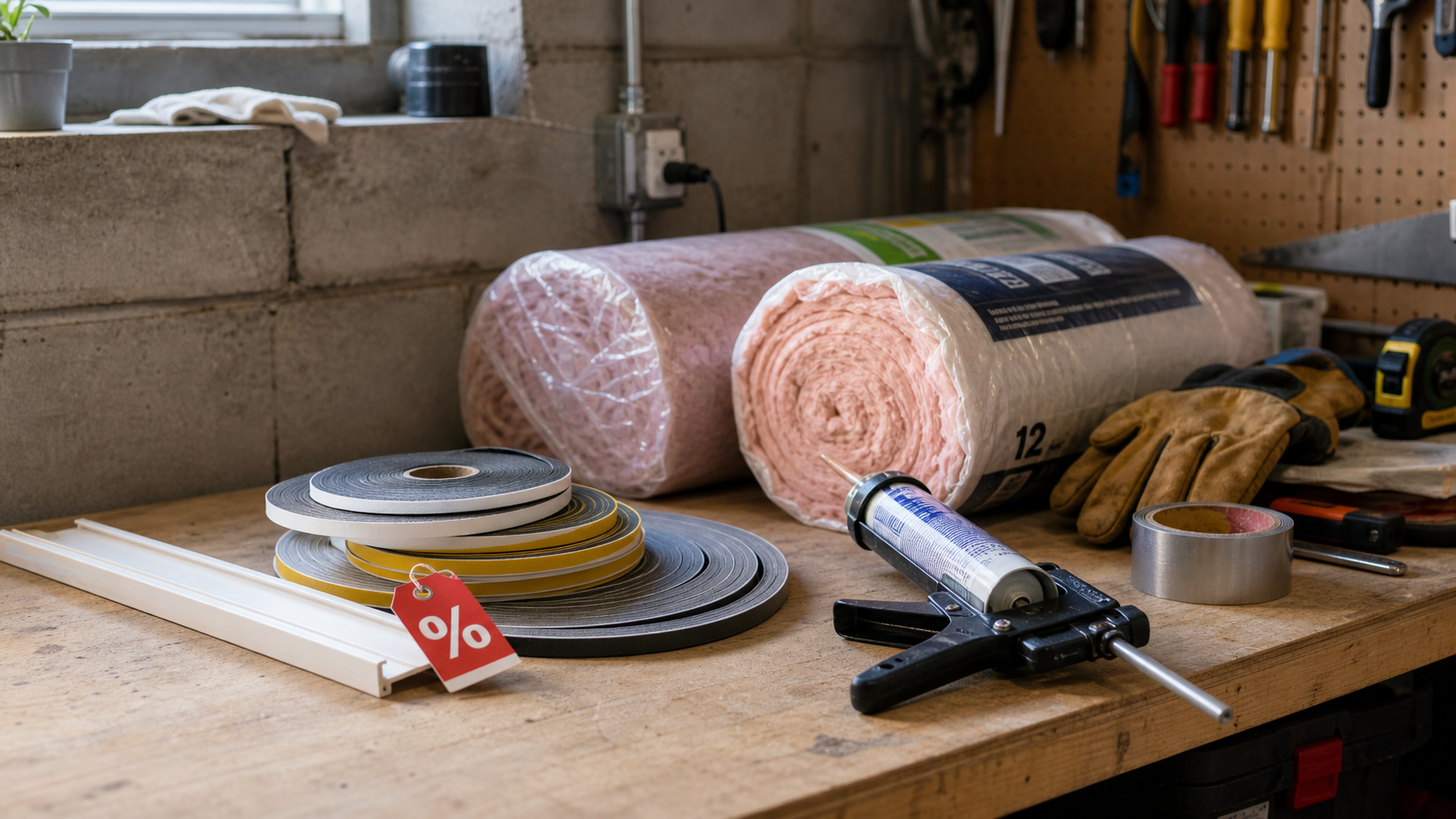
Book the energy check before the insulation rebate · 2 mins read
The better deal is often the one that follows the envelope check, not the one that rushes ahead of it.
📍 Local Lens
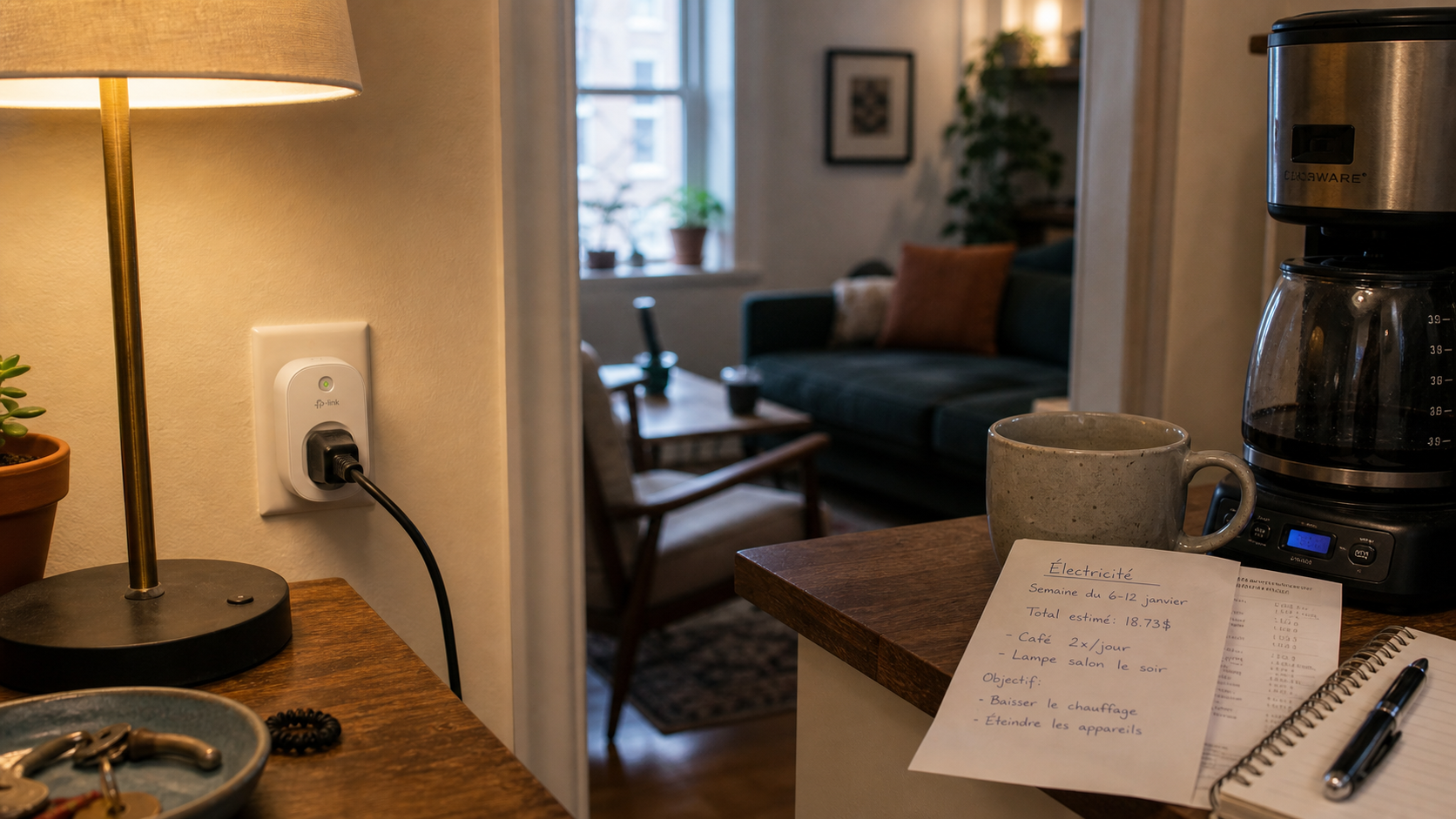
Read your Hydro-Quebec history before the quote · 3 mins read
The local story starts with your own bill history, not generic history or a contractor pitch.
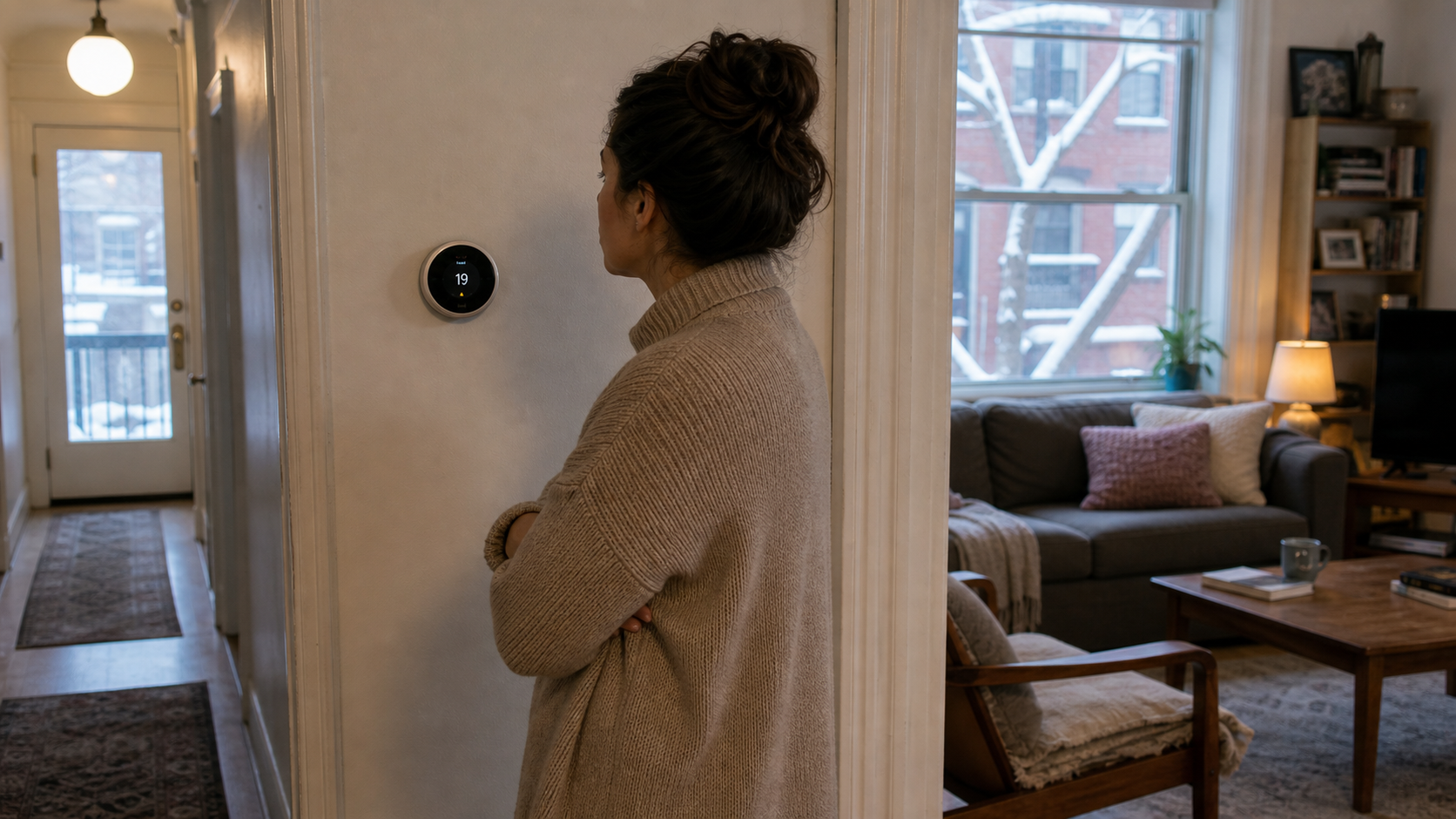
Older Montreal homes need sequencing before upgrades · 3 mins read
Sequence the upgrades before you shop: envelope, air leaks, habits, and appliances all matter in older Montreal homes.
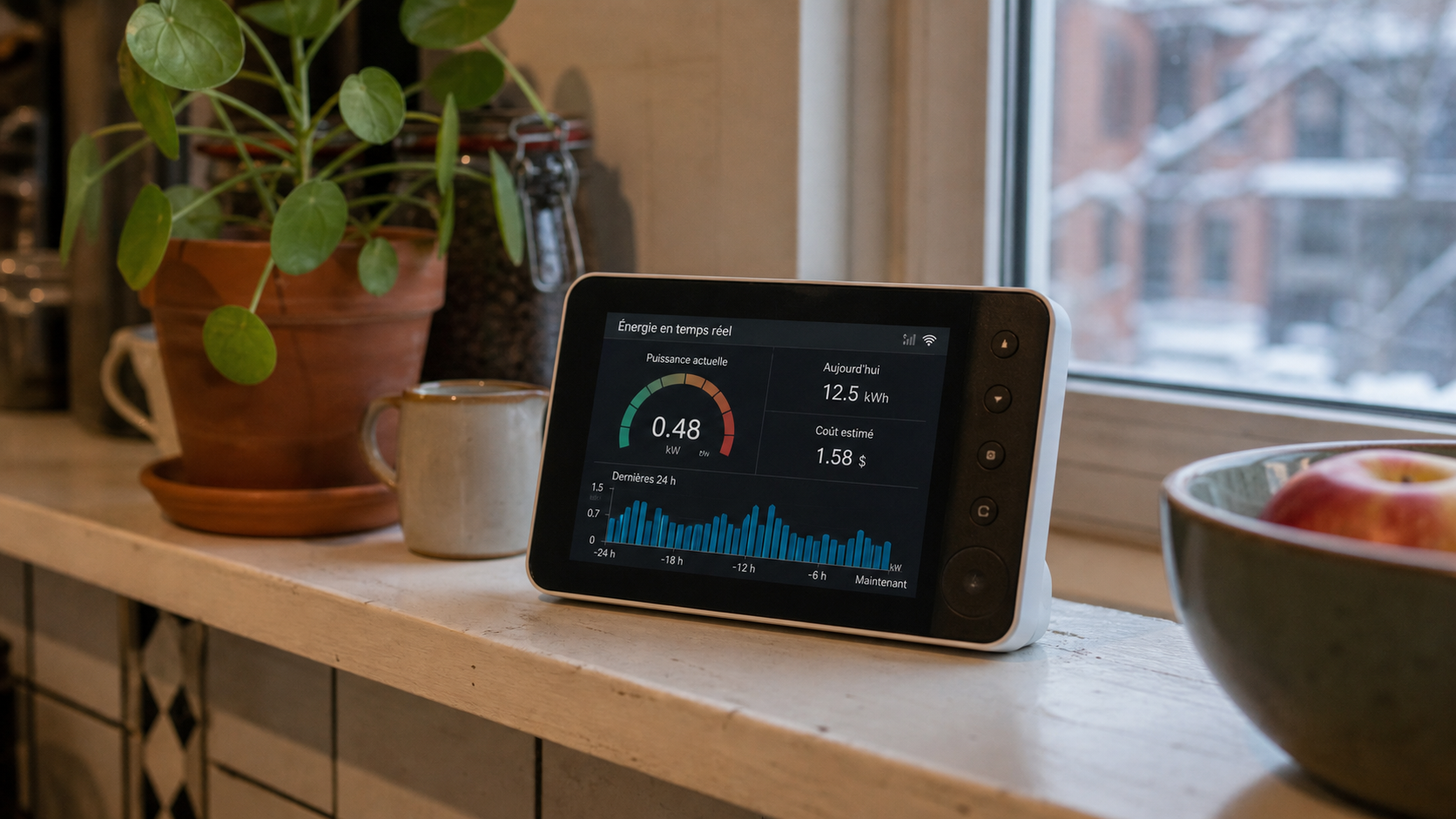
Cold rooms tell you more than brochures · 3 mins read
A stubborn cold room often tells the truth faster than a brochure or product page.