A quick note from the editor:
A Smart Living issue on smart locks, guest access, Quebec rental rules, winter fallback, and why household access policy matters more than gadget novelty.
🧭 What should I do next?
Should I care?
A lock purchase does not just add convenience. It sets household rules people will have to live with, especially when something fails.
Who is affected?
Duplexes, triplexes, and shared entrances, plus households with cleaners or relatives coming and going, or anyone managing guest access, tenants, or short-stay routines.
What's next?
Write down who should be able to enter which door before choosing any smart-lock setup.
📰 News & Trends
More Canadian homes are adding smart devices — and the front door is on the list · 3 mins read
Canadian smart-home adoption is broadening beyond speakers and thermostats. Smart locks are one growing category, which makes access routines a household planning topic, not just a gadget decision.
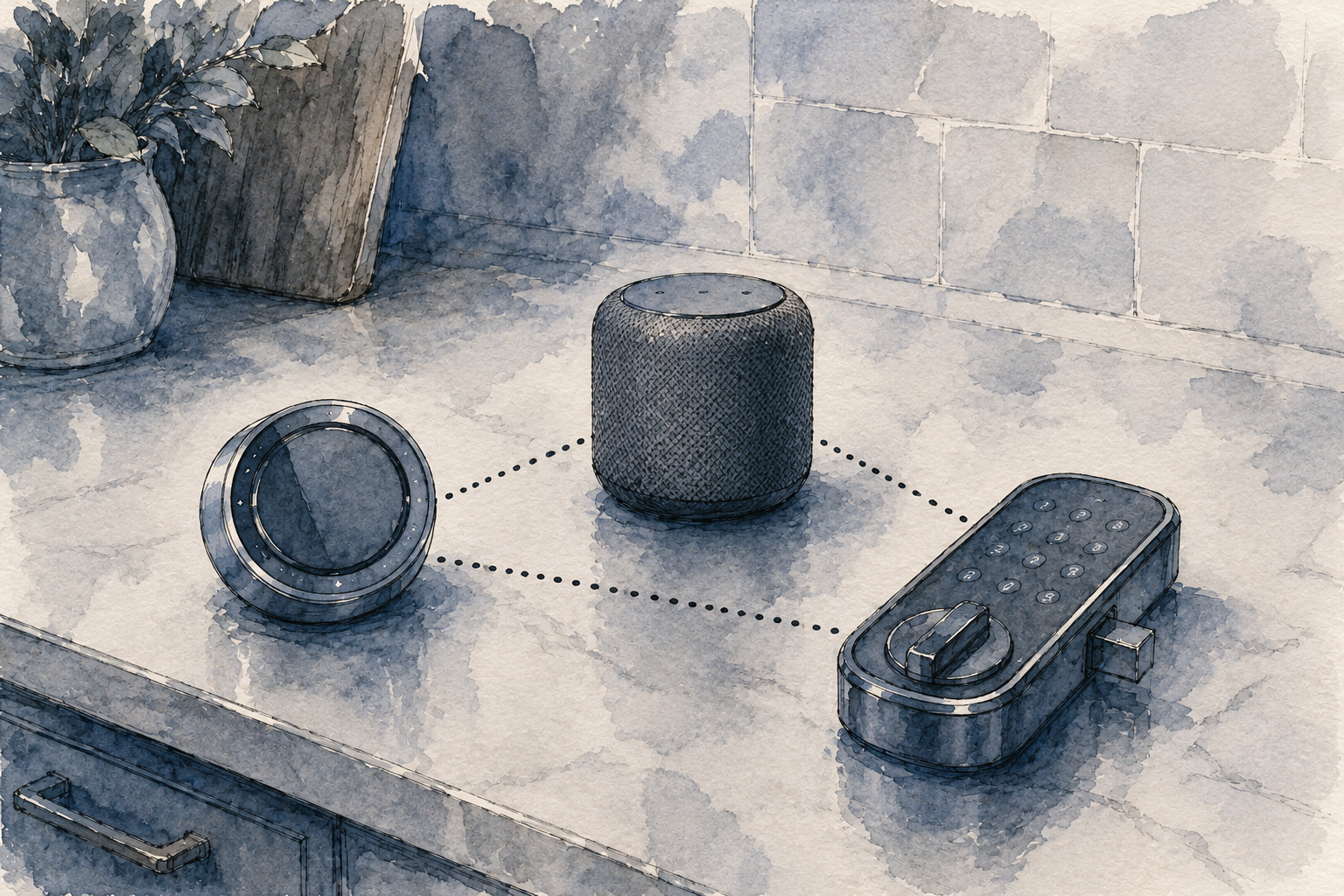
Your next thermostat, speaker, and lock might finally speak the same language · 3 mins read
Device compatibility is getting easier to explain, but interoperability still does not settle the household rules around guests, renters, backups, or who can open the door.
In Quebec, your landlord can't just walk in — 24 hours' notice is the rule · 3 mins read
Shared-entry tech lives inside real renting rules. Quebec access rights make the front door a legal and operational question before it becomes a convenience upgrade.
💡 Opinions & How-Tos
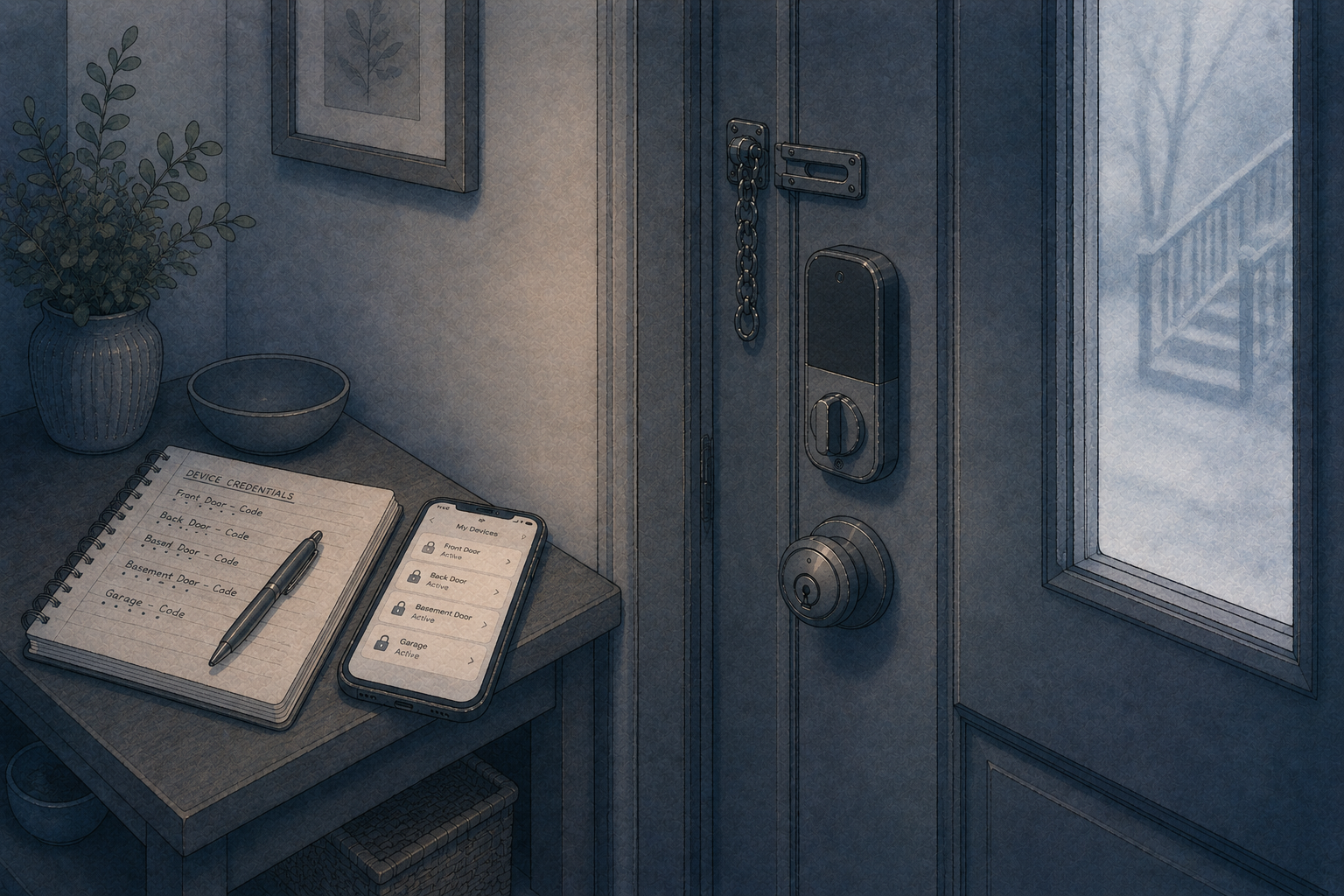
Changing your lock in a Quebec rental? The lease has rules about that · 4 mins read
Before comparing hardware, check the rental context. Lock changes, unit access, and shared-entry decisions all sit inside lease and landlord obligations.
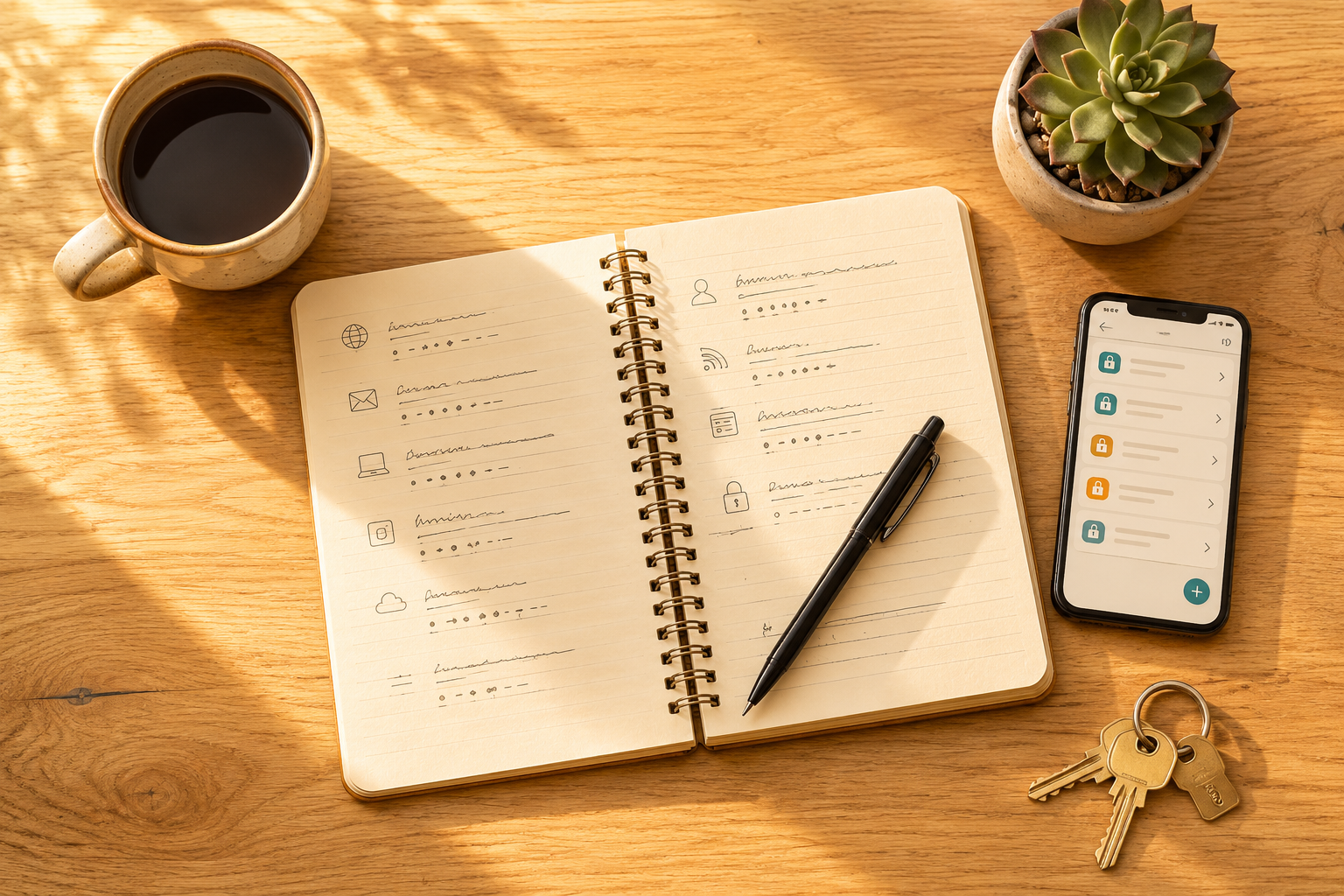
Every connected device needs someone managing its passwords — even your front door · 4 mins read
Smart-lock access is still account access. Somebody has to own the credentials, the recovery path, and the right to add or revoke codes before the lock ever goes on the door.
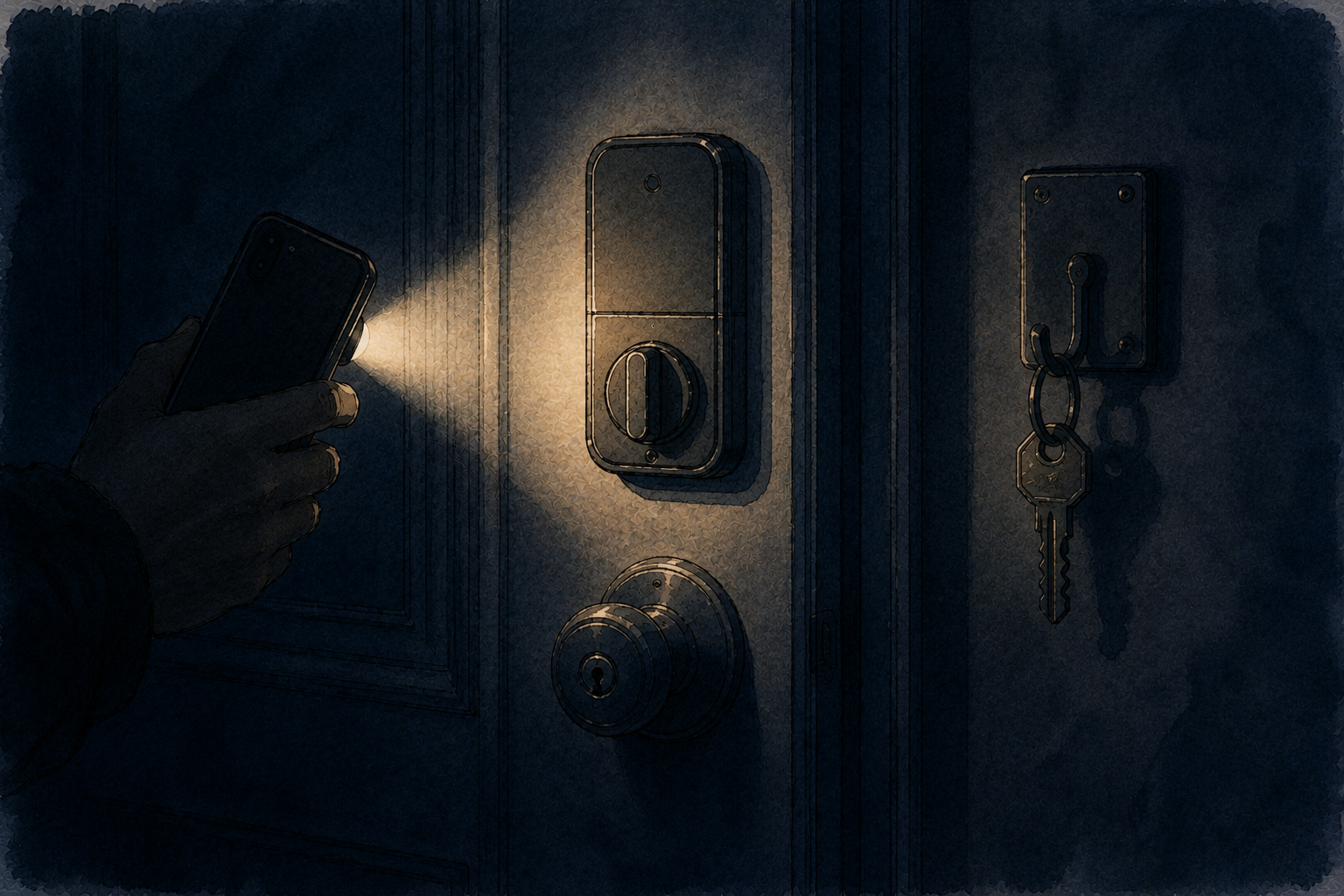
Know what still works when the power goes out · 4 mins read
The app is not the fallback plan. Power-loss routines need keys, batteries, manual override, and one calm household rule everyone understands.
📦 New Products
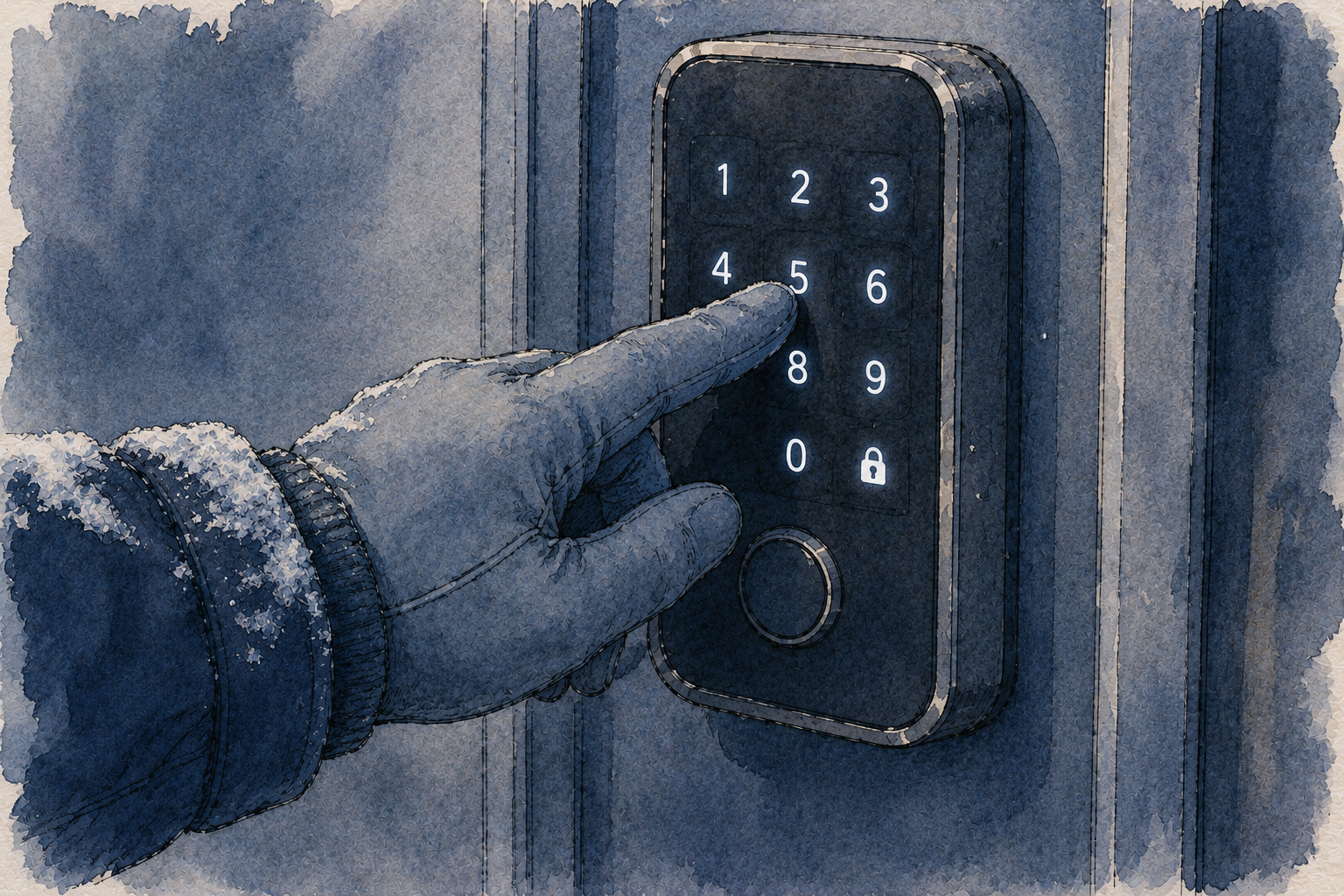
Keypads that still work when phones do not · 3 mins read
For winter entrances and shared homes, keypad entry, physical key override, and basic lock ergonomics can matter more than app polish.
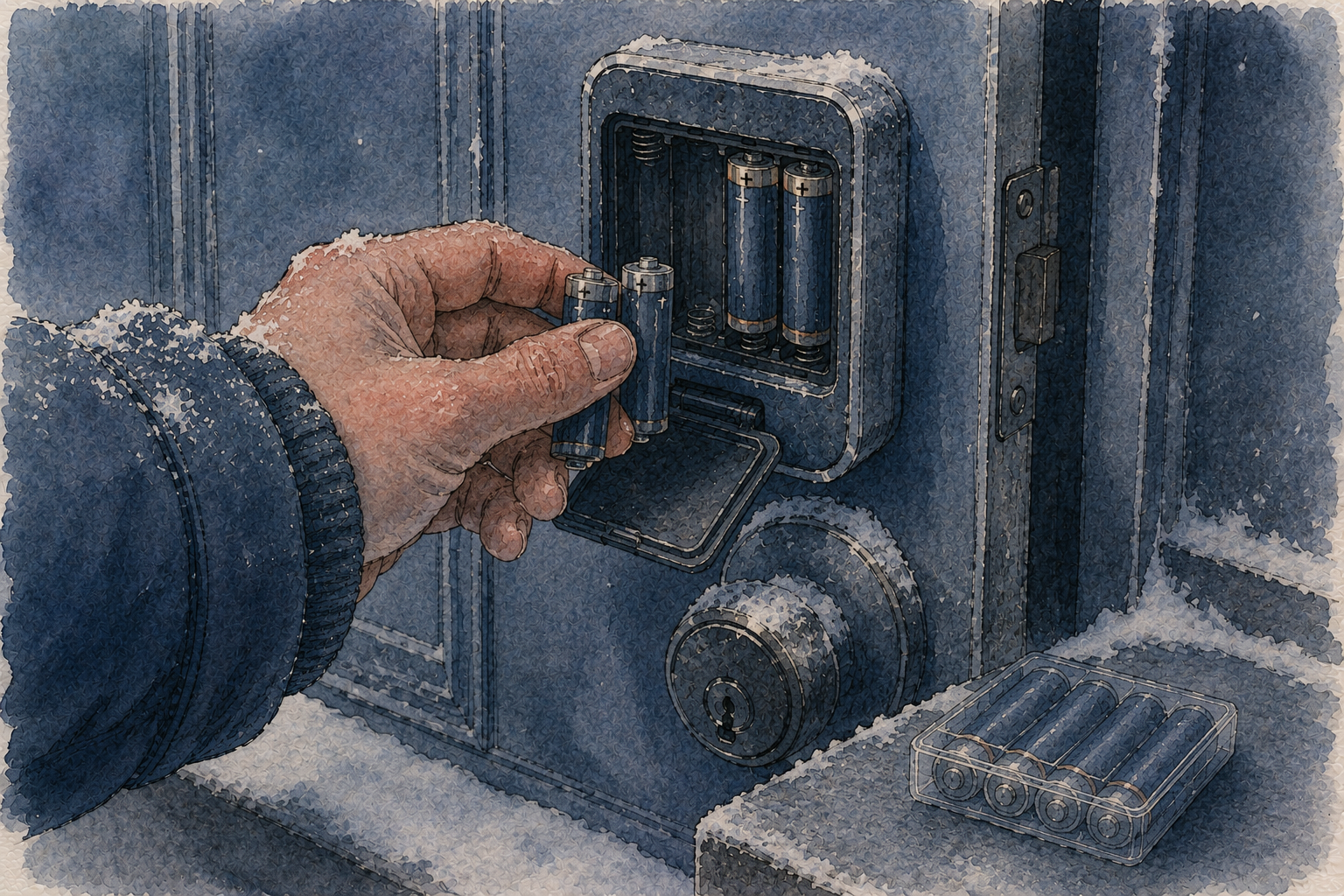
Locks with battery access that makes winter sense · 3 mins read
Battery replacement is part of the household routine. Cold-weather usability, compartment access, and fit with the existing door deserve more attention than feature count alone.
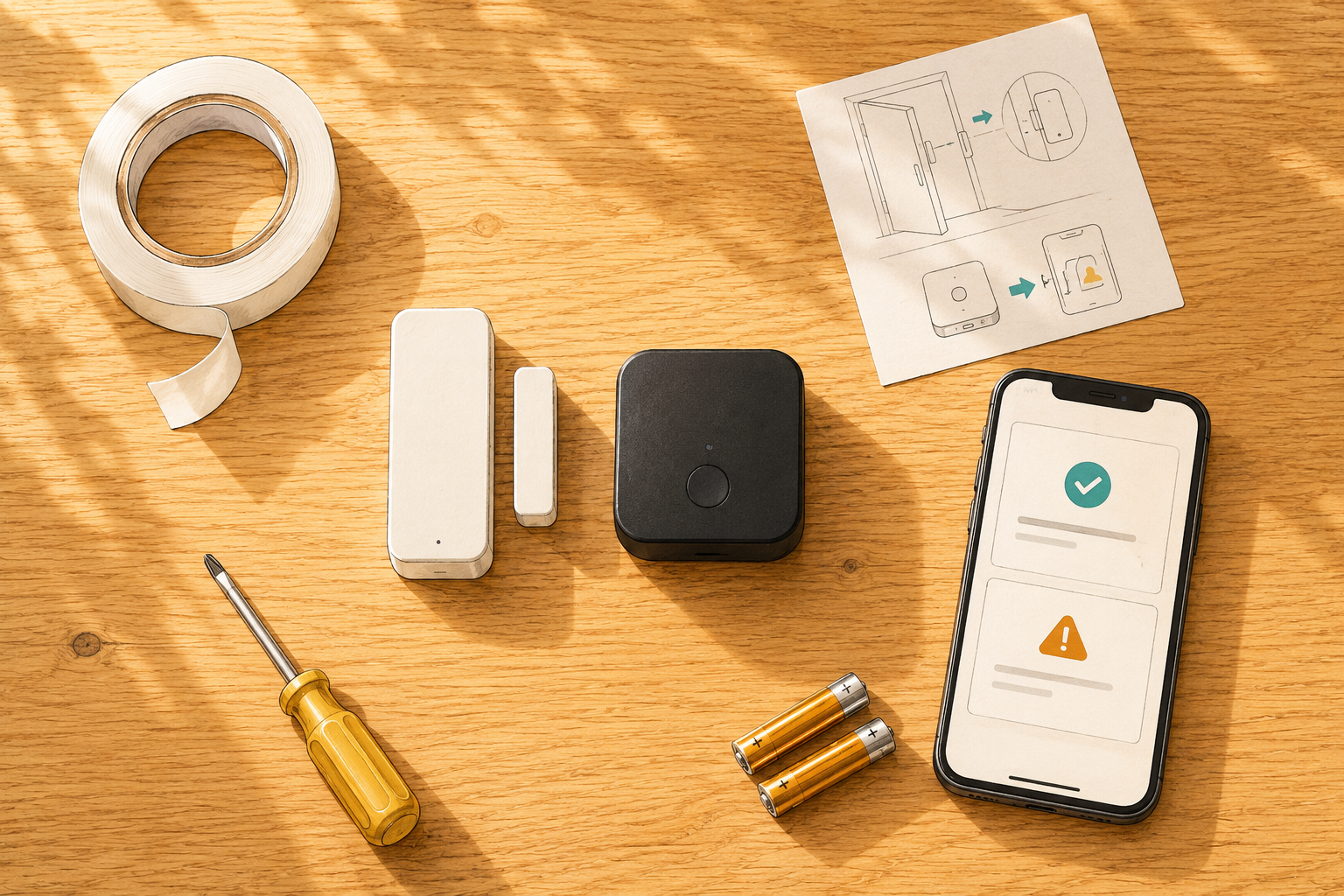
Door sensors that make lock alerts less mysterious · 3 mins read
A lock alert is easier to trust when the household can tell the difference between a locked door and an open one. Sensors help clarify the routine.
🏷️ New Deals
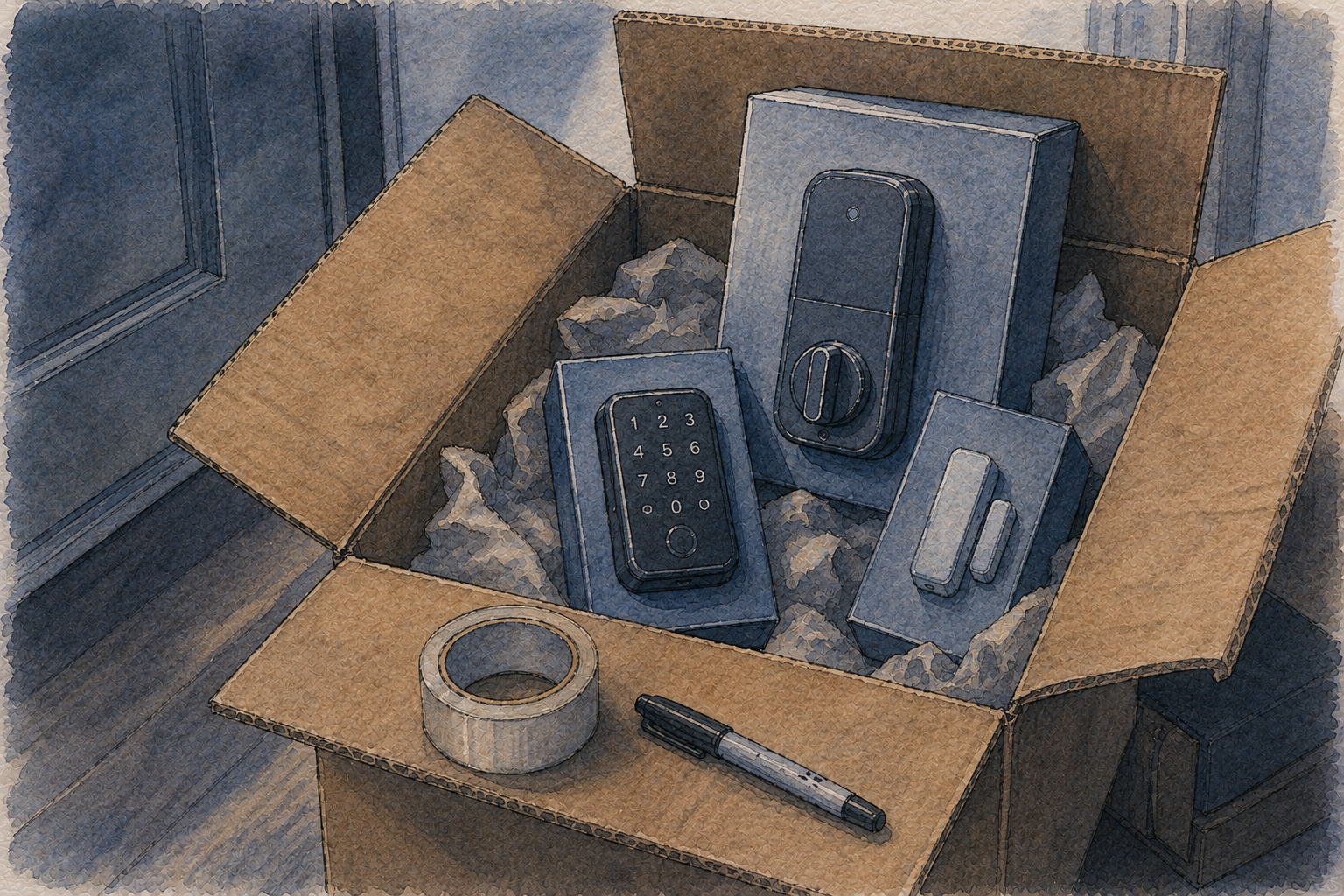
Watch moving-season lock bundles · 2 mins read
Bundle pages are only useful when each part has a job. A moving-season deal still needs support paths, battery logic, and a clear reason to exist in the home.
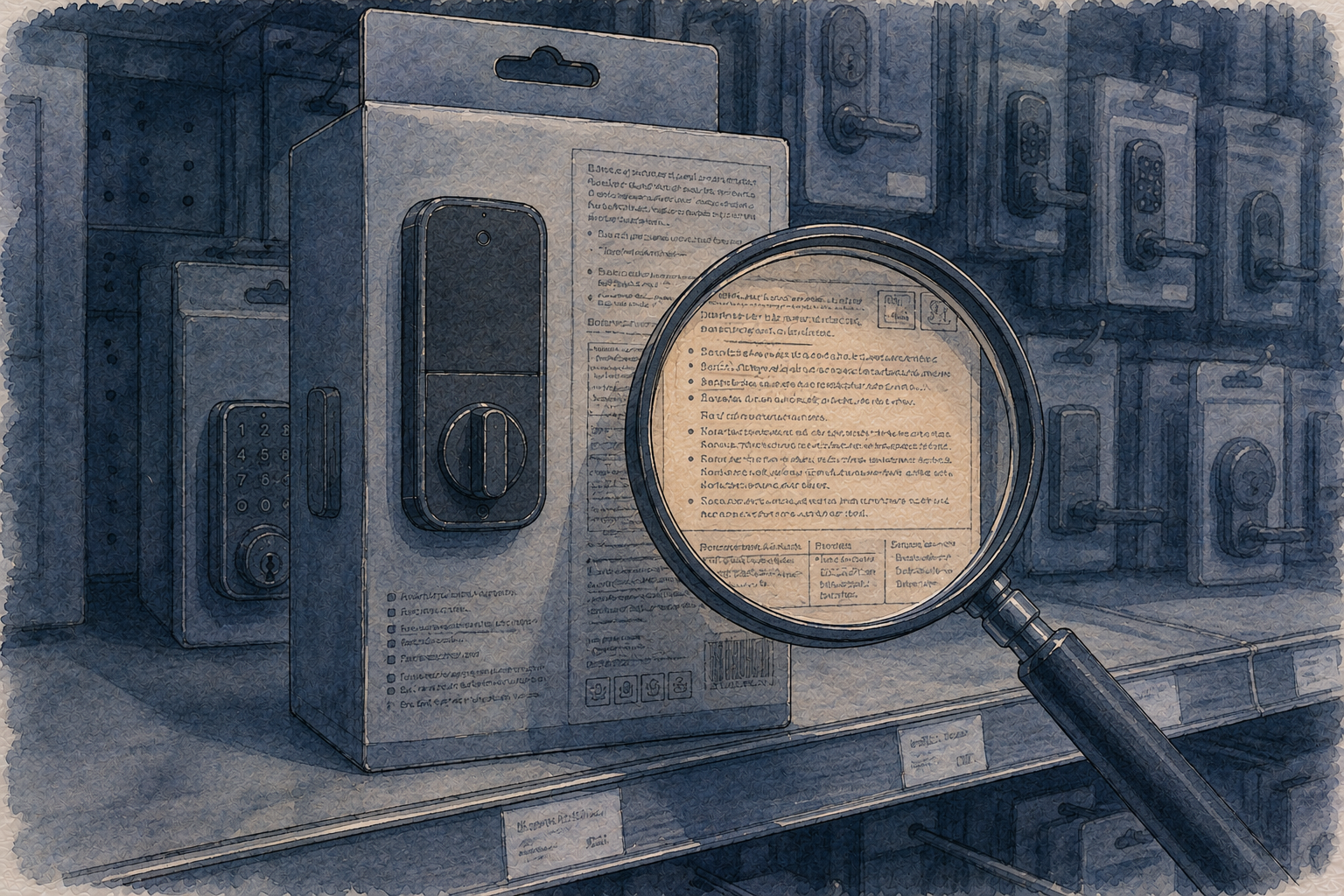
Avoid bargain locks without clear support paths · 2 mins read
Price matters less than returns, firmware support, battery access, and whether the household can recover when the “cheap” lock stops feeling simple.
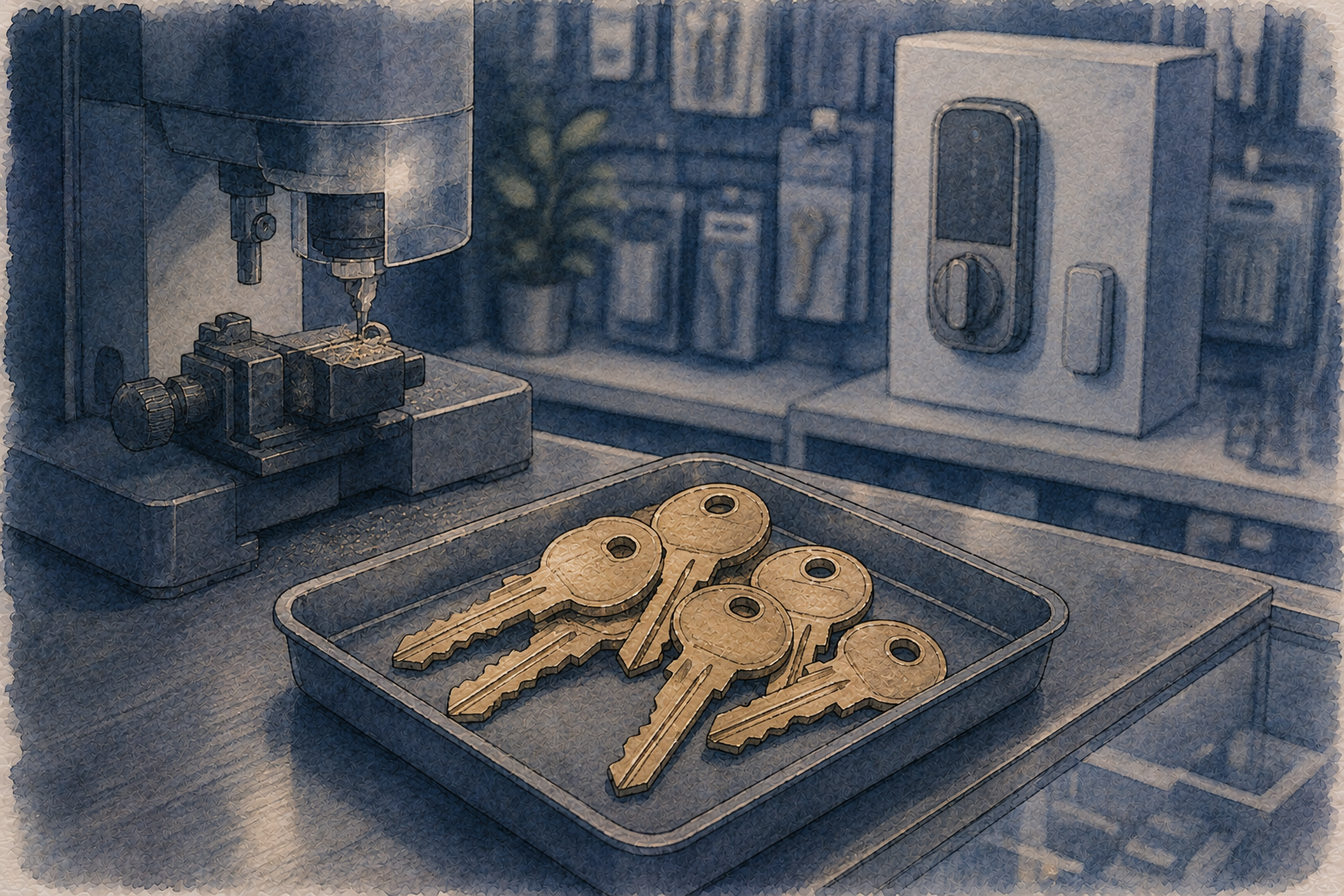
Buy extra keys before pretending keys are gone · 2 mins read
Low-tech backup is still part of a good smart-lock setup. A spare key may solve more real-world access problems than another automation feature.
📍 Local Lens
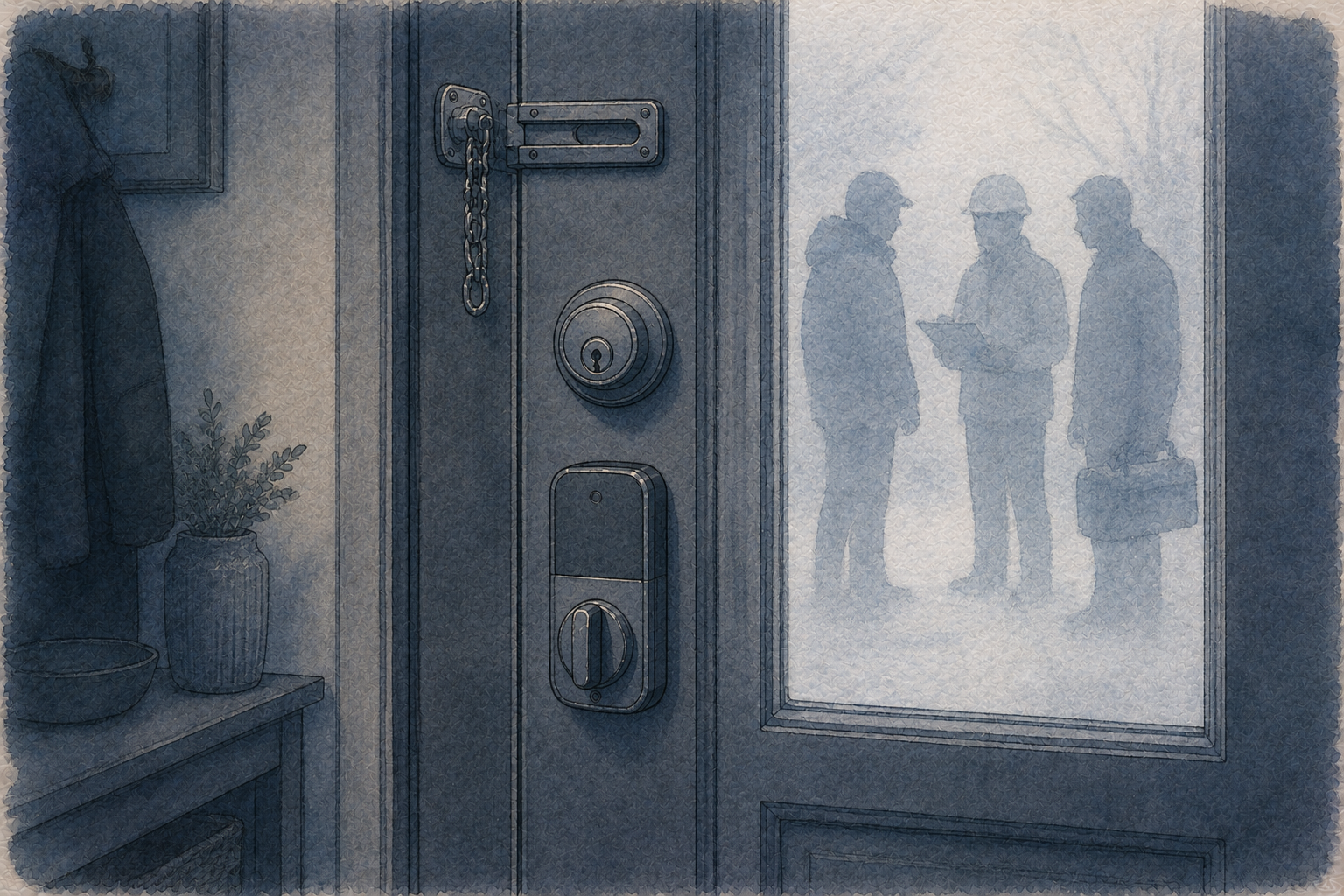
Visitors, inspections, emergencies — Quebec law sorts out who gets through your door · 3 mins read
The Quebec access framework matters in duplexes, triplexes, and rentals where a shared front entrance and a private unit door are not the same operational problem.
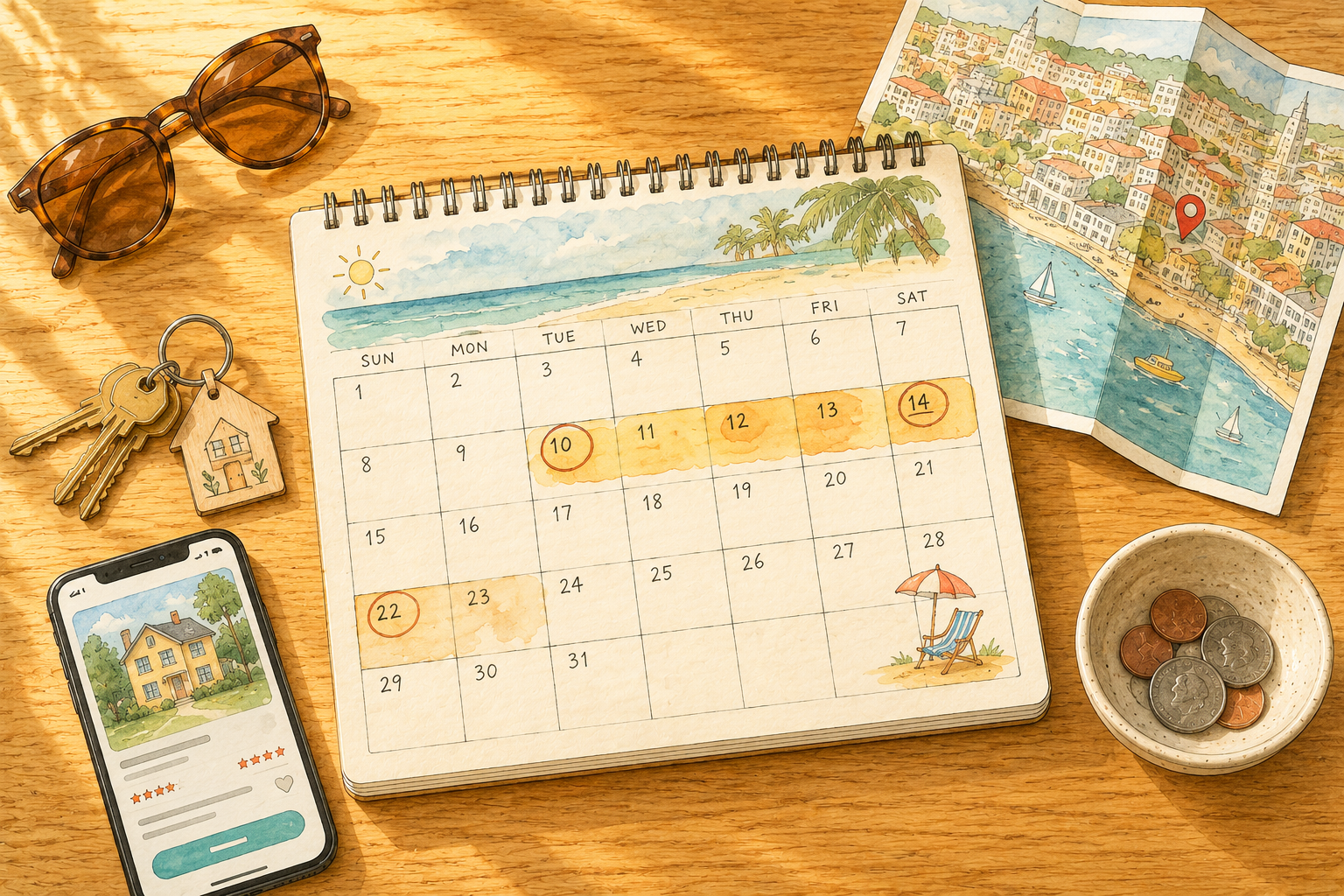
In most Montreal boroughs, you can only rent your home to tourists from June 10 to September 10 · 3 mins read
Guest-code workflows change when local short-term-rental rules change. Compliance comes first, and access routines follow from that reality.
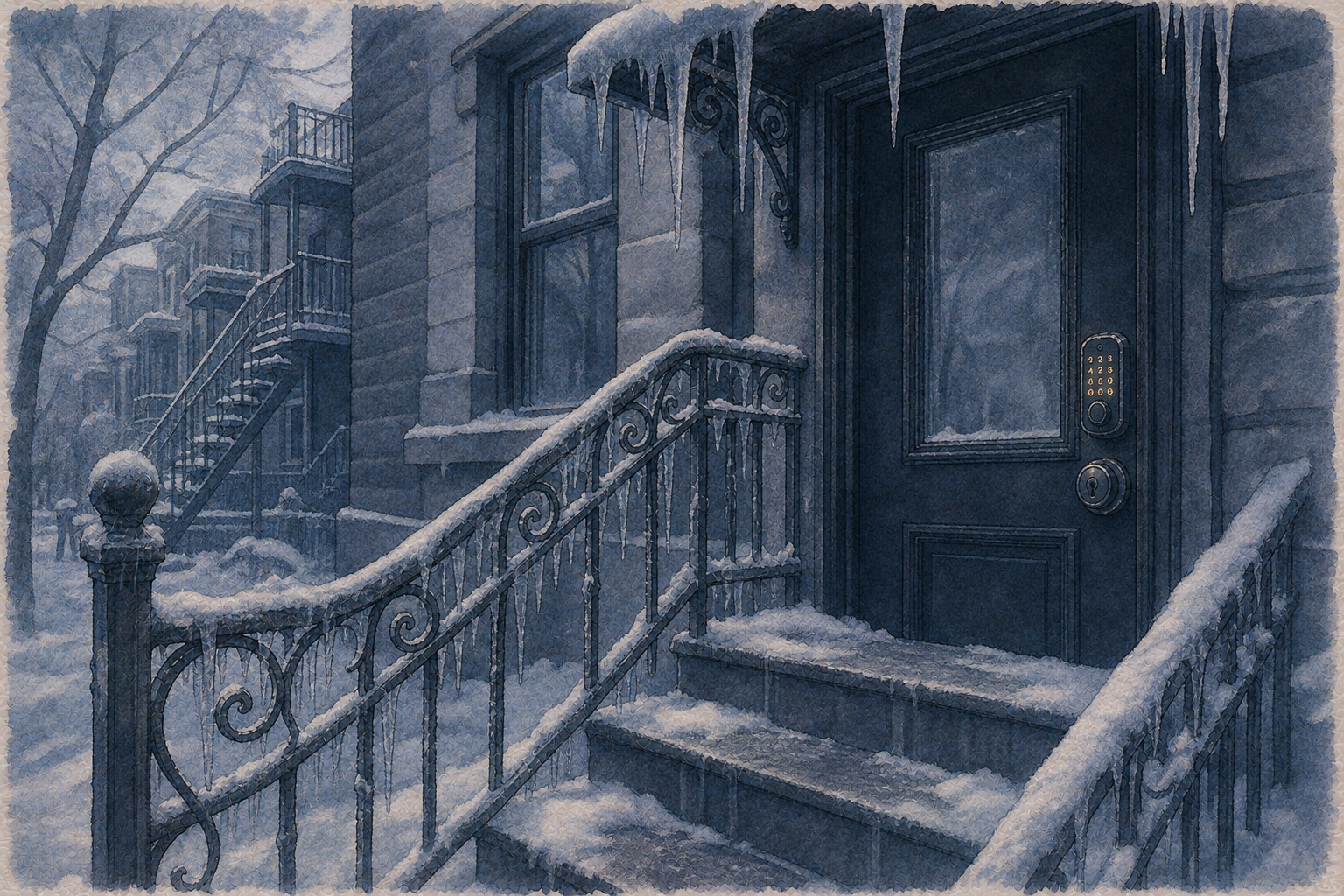
Montreal winters test every part of your building entrance · 3 mins read
An entrance in winter is already a maintenance system. Cold, ice, gloves, and battery drain turn lock usability into part of the building-opening conversation.
