A quick note from the editor:
A January 2026 Safety First issue for older Greater Montreal homes: outages, cold rooms, outage routines, room-level backup, and practical winter readiness.
🧭 What should I do next?
Should I care?
Winter outages are not just an inconvenience in older Montreal homes. One short interruption can quickly turn into cold rooms, sump-pump risk, and unsafe backup habits if the house is not prepared in advance.
Who is affected?
Older duplexes, triplexes, and small homes with uneven heating, finished basements, sump pumps, or households that rely on Wi-Fi, medical devices, or work-from-home routines.
What's next?
Pick one room and run a 30-minute outage check this week: light, heat, phone charging, internet fallback, and water-risk points.
📰 News & Trends
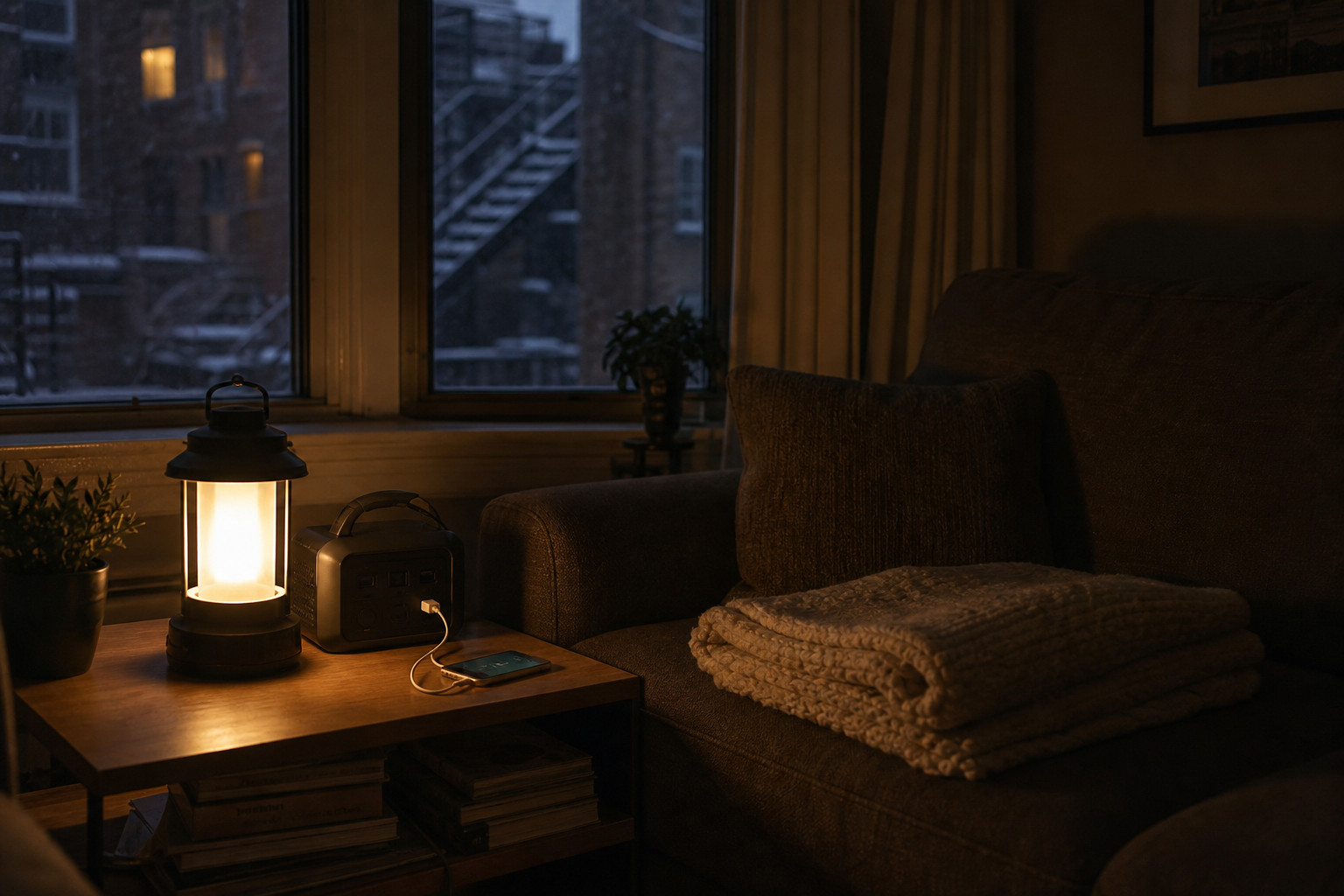
Winter outages are becoming a normal home-planning problem · 3 mins read
Cold snaps and short outages hit older Montreal homes unevenly, so outage prep is becoming part of normal household planning, not a once-a-year emergency thought.
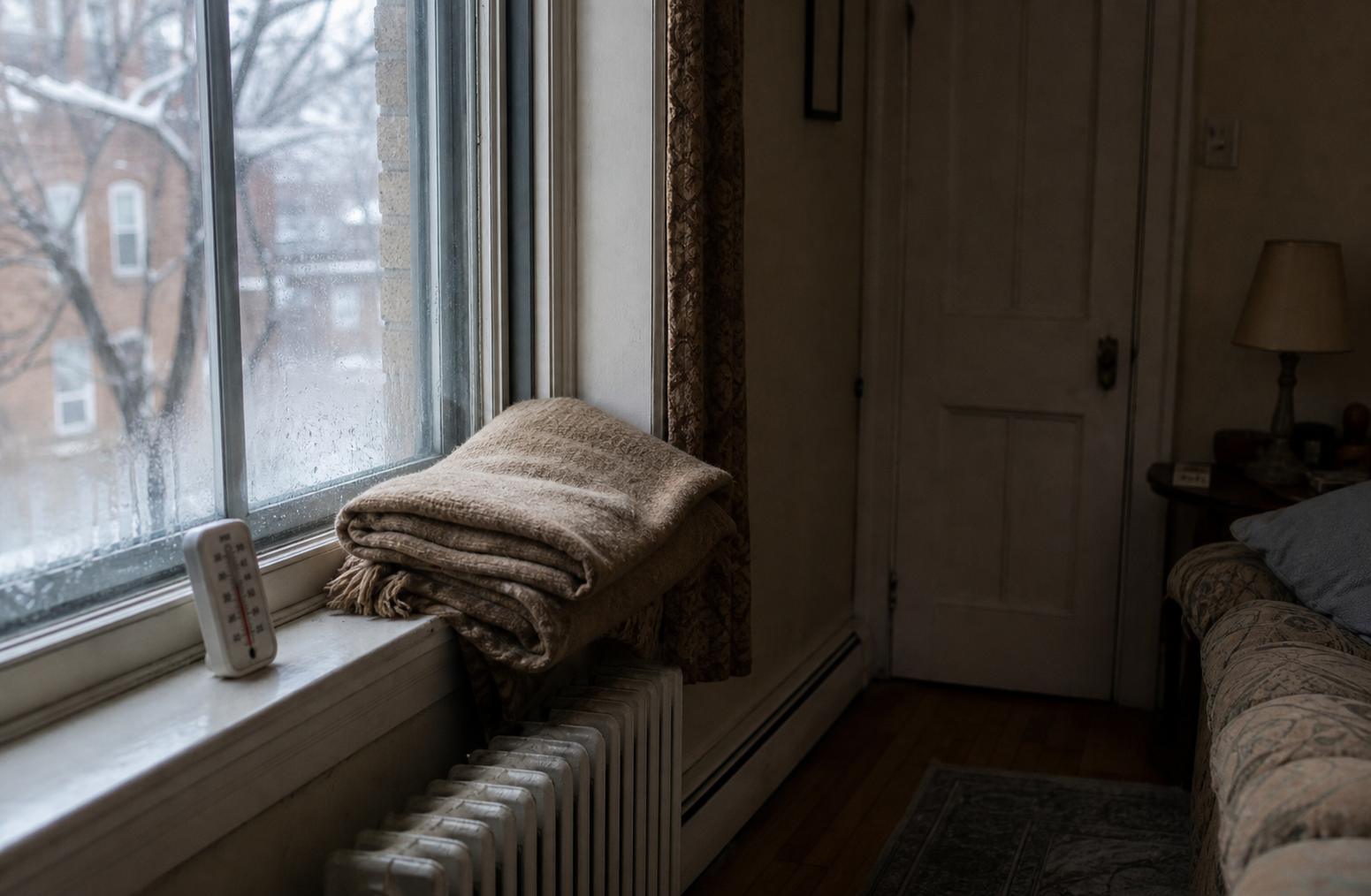
Why older homes lose comfort faster when power drops · 4 mins read
Drafty windows, closed interior doors, older radiators, and uneven insulation mean one room can become the family fallback much faster than people expect.
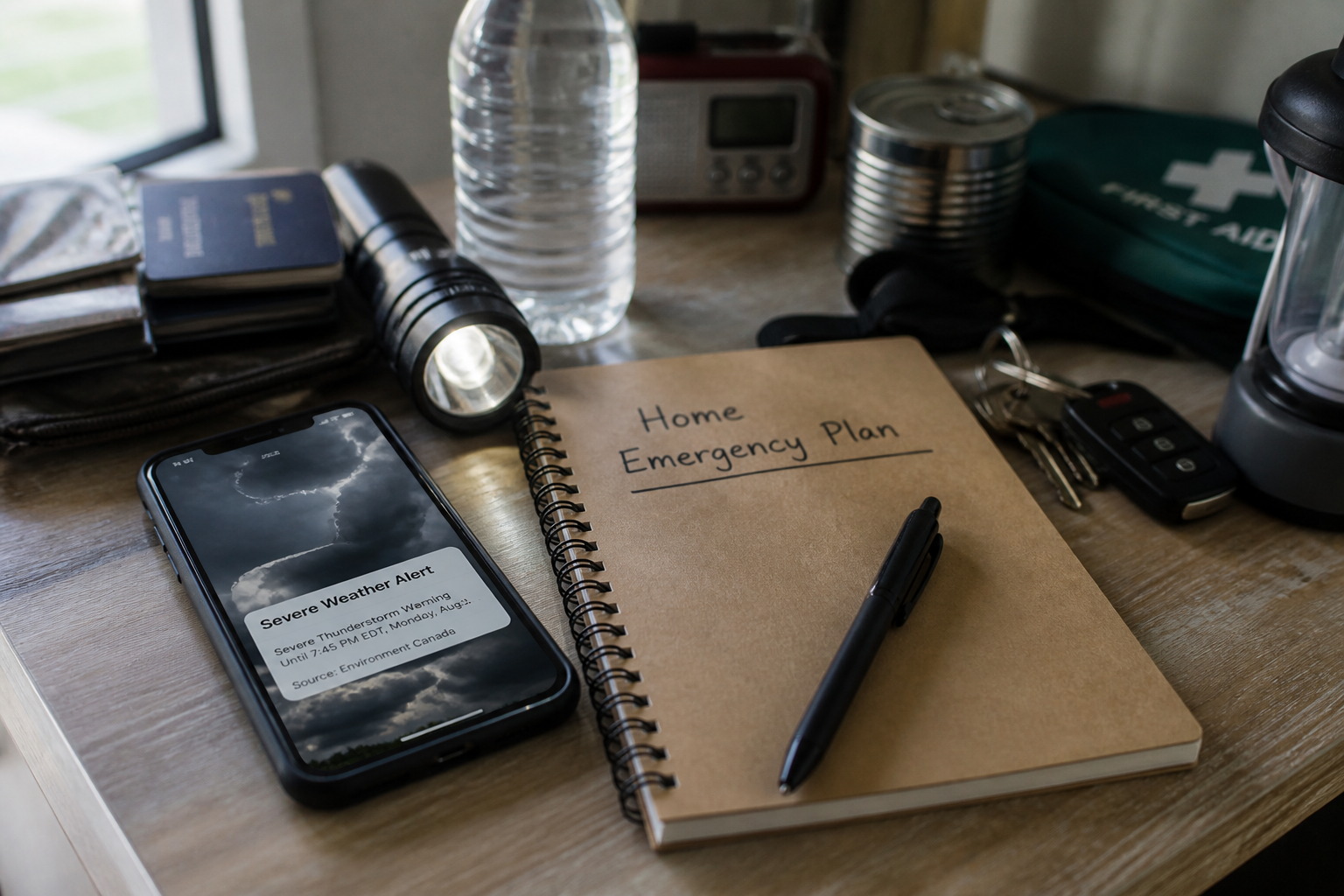
Insurance, weather alerts, and the new home-readiness mindset · 3 mins read
Home-readiness now includes alerts, checklists, and knowing what your coverage actually means before winter weather or a burst-pipe week forces the question.
🧭 Opinions & How-Tos
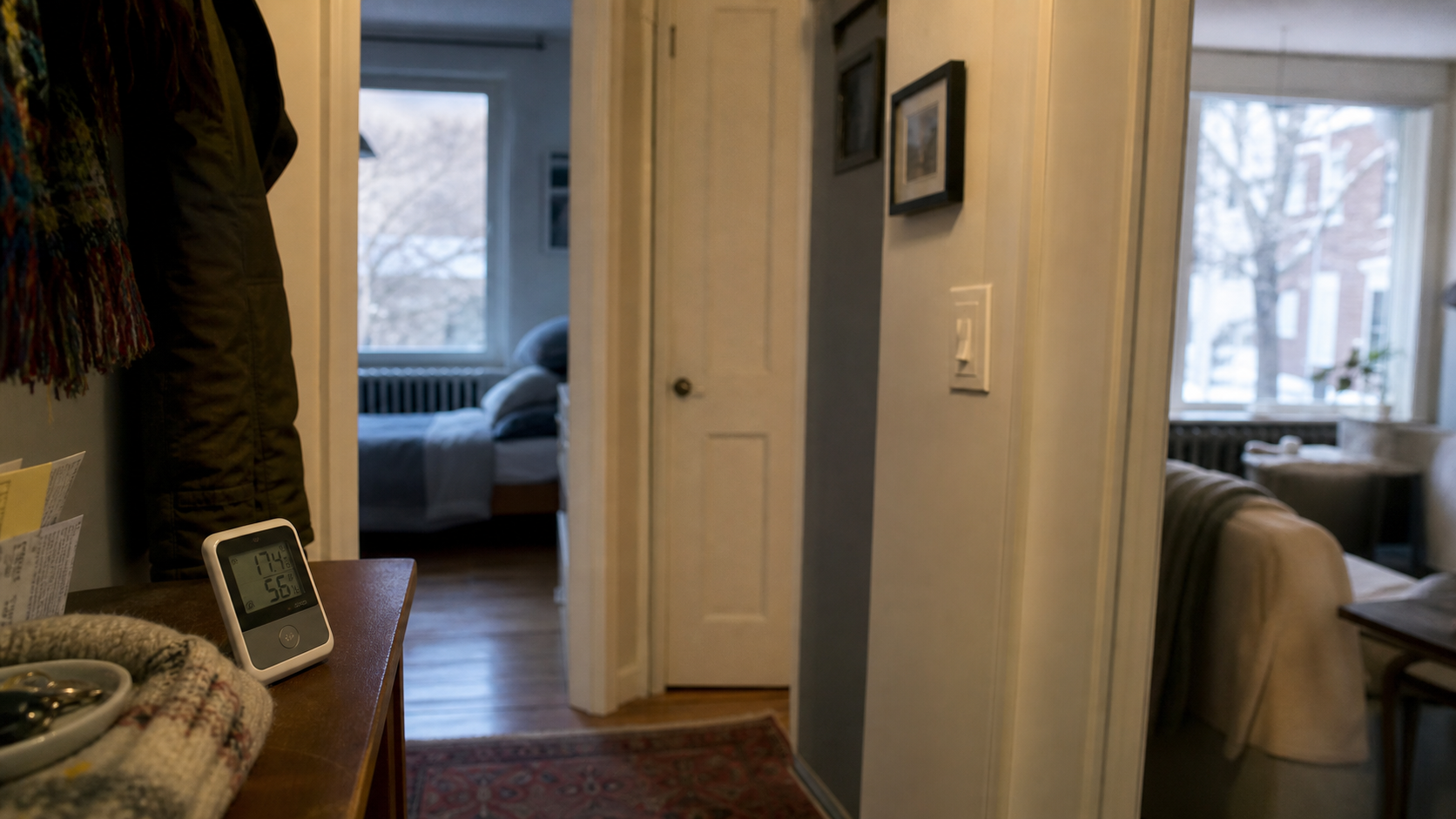
Find the rooms that fail first when heat is interrupted · 4 mins read
Walk the home once as if the heat stopped now: note the coldest corners, the room with the best door seal, and where pipes or pets would become a problem first.
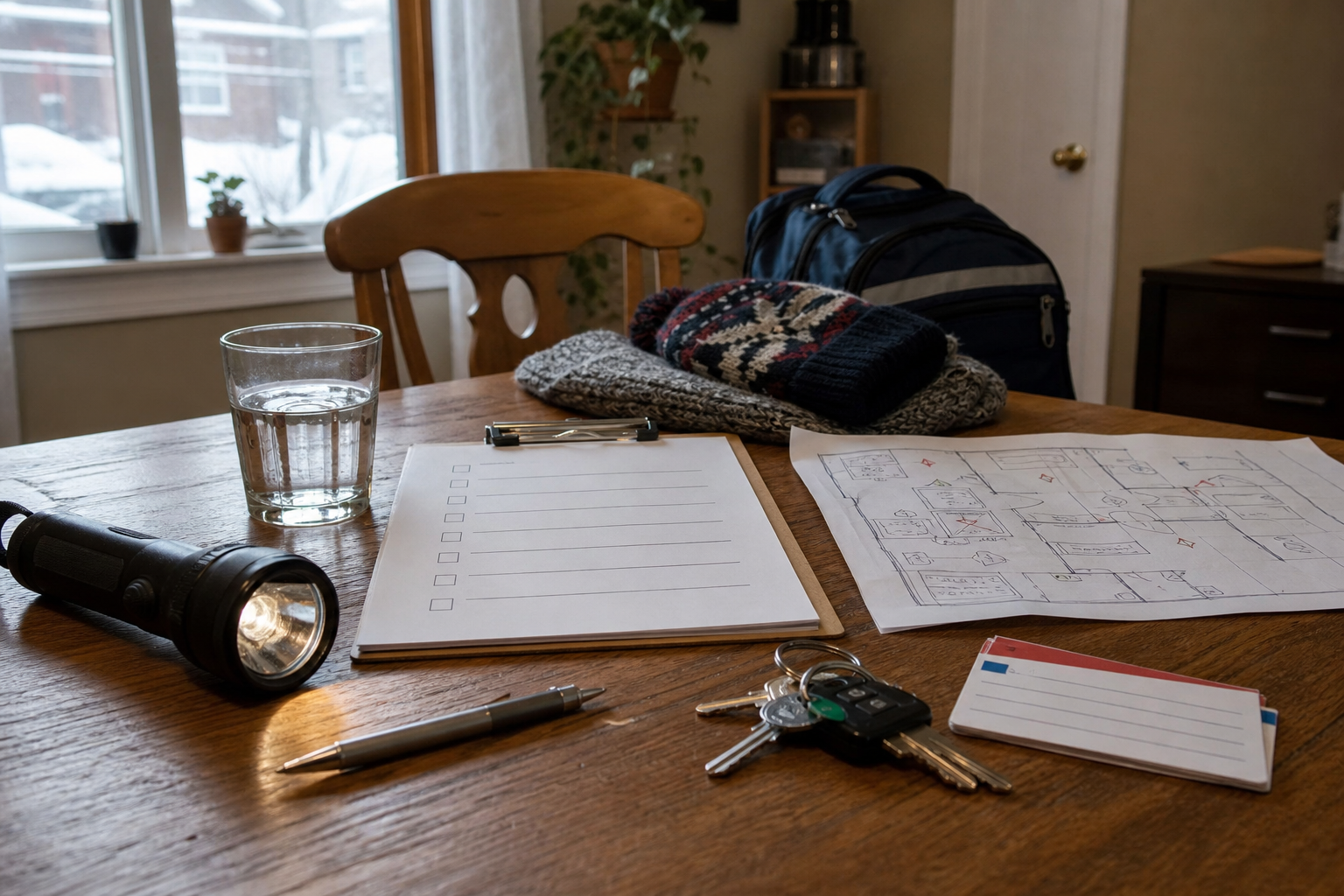
Make a 20-minute outage walk-through before the next storm · 4 mins read
One short family walk-through can settle flashlight location, meeting points, utility shutoffs, and who checks on which room before the next winter outage.
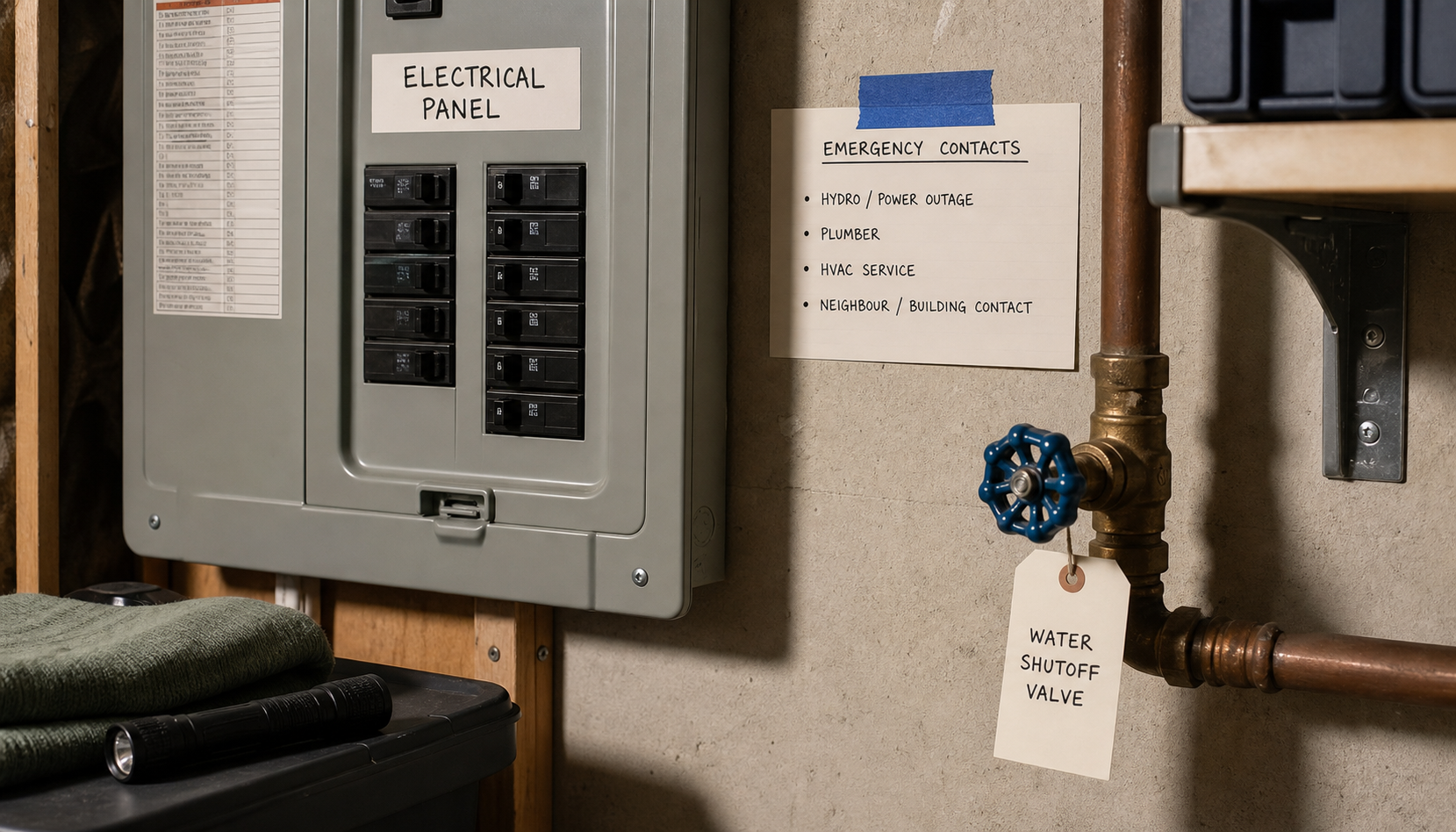
Label the panel, water shutoff, and emergency contacts once · 3 mins read
The boring labels matter most when everyone is stressed. A simple utility-room map and one emergency card can save minutes when minutes actually matter.
🧰 New Products
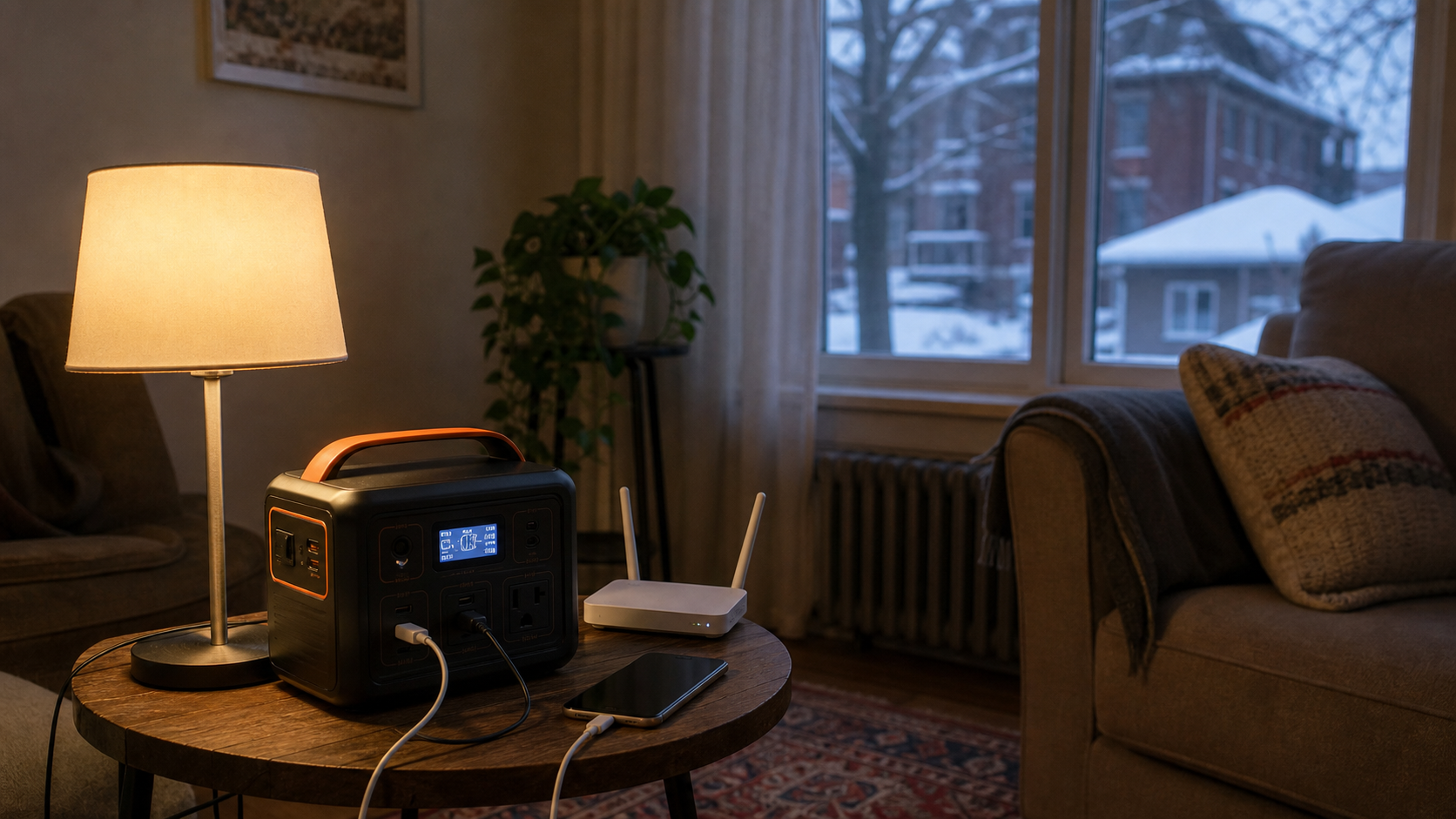
Battery stations that solve a room-level problem, not a fantasy · 3 mins read
The useful backup is the one that keeps one lamp, one phone, and maybe the router alive in one room. Anything beyond that needs stricter expectations.
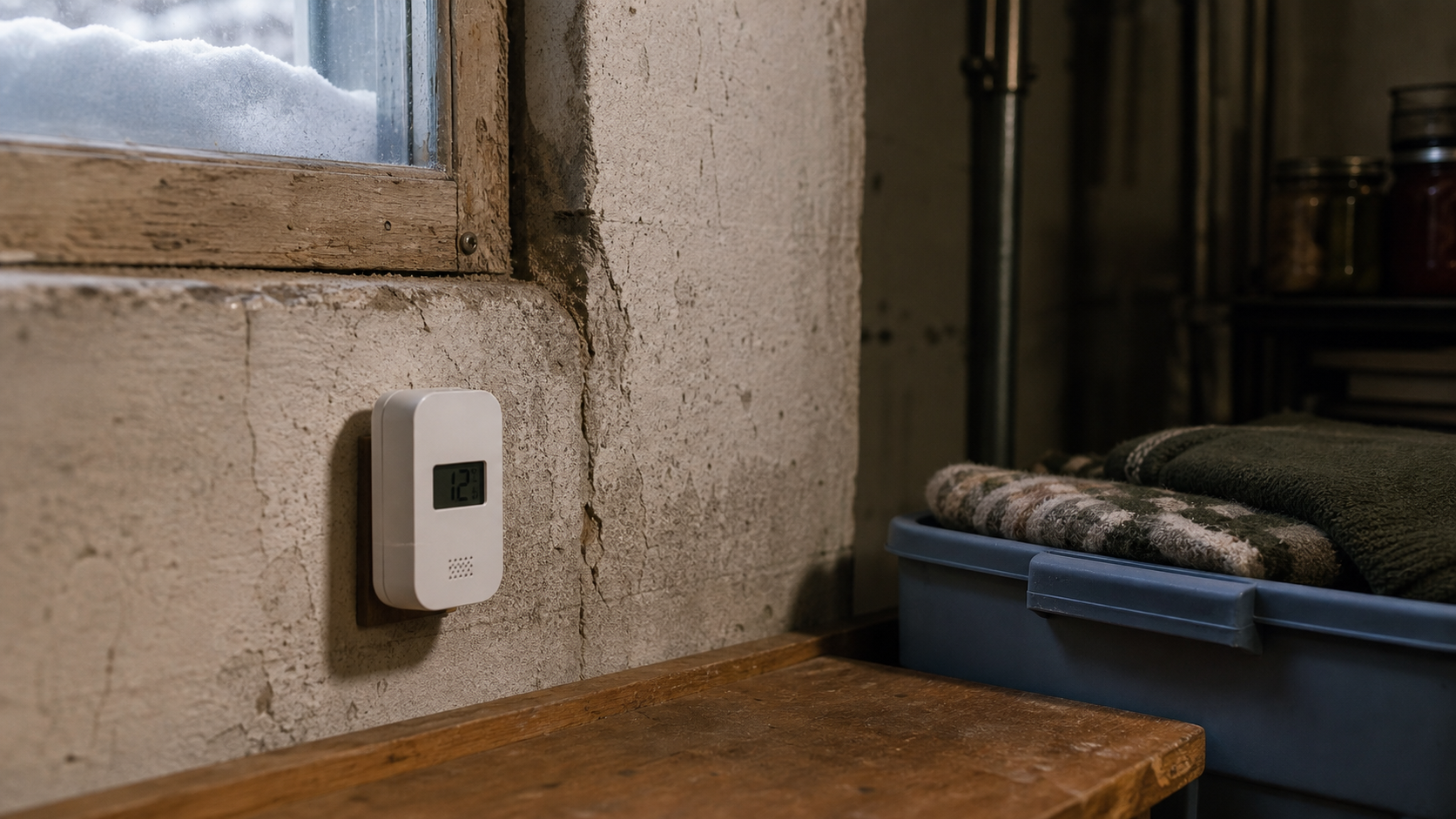
Plug-in temperature sensors for cold corners and basements · 2 mins read
Cheap temperature checks can teach you more than one dramatic cold night. Watch the corners and lower levels that routinely lose comfort first.
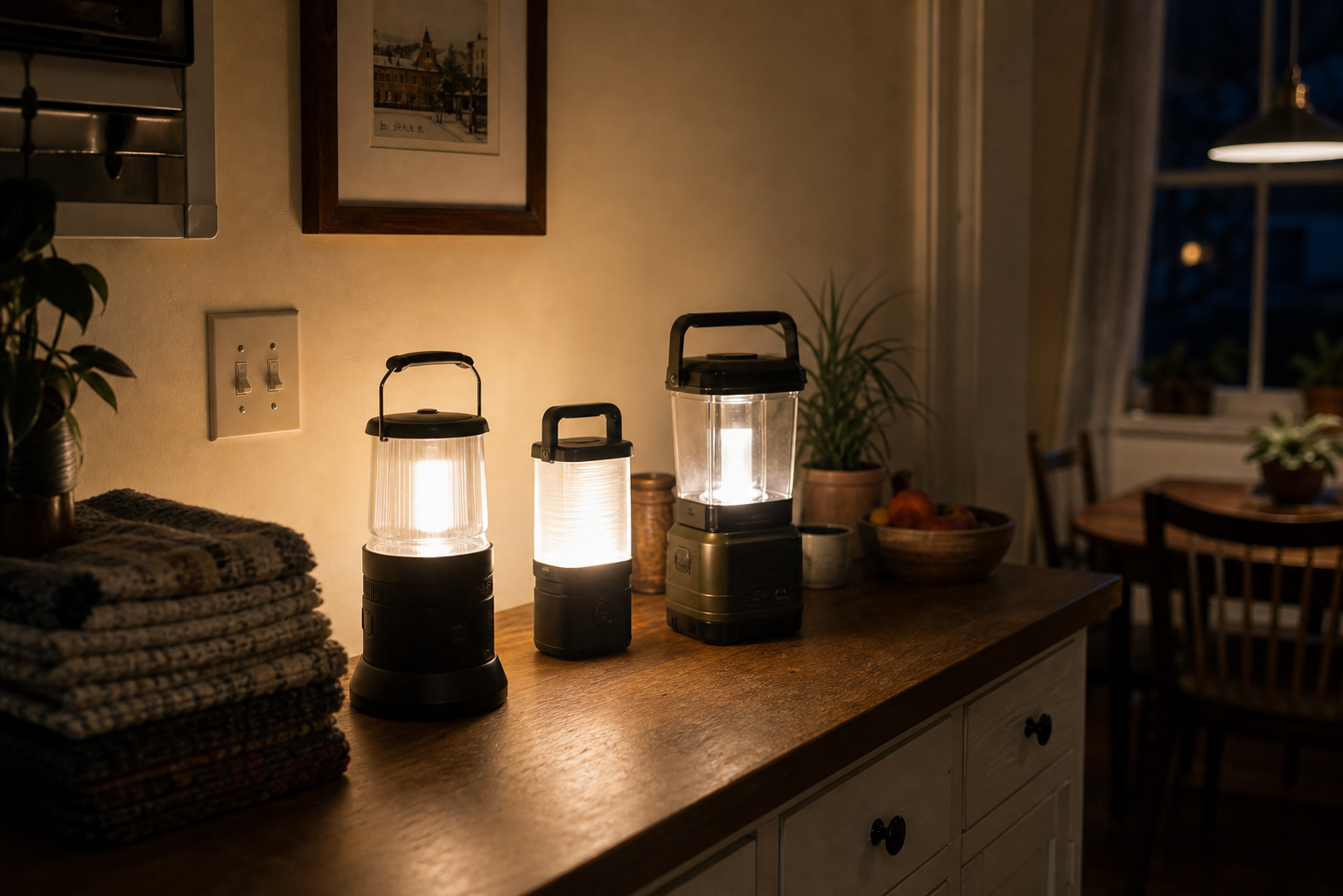
Lanterns and rechargeable lights that beat phone flashlights · 2 mins read
Family-scale outage lighting feels calmer and safer than everyone balancing on their phone battery. Look for simple lights that live where you can reach them fast.
🏷️ New Deals
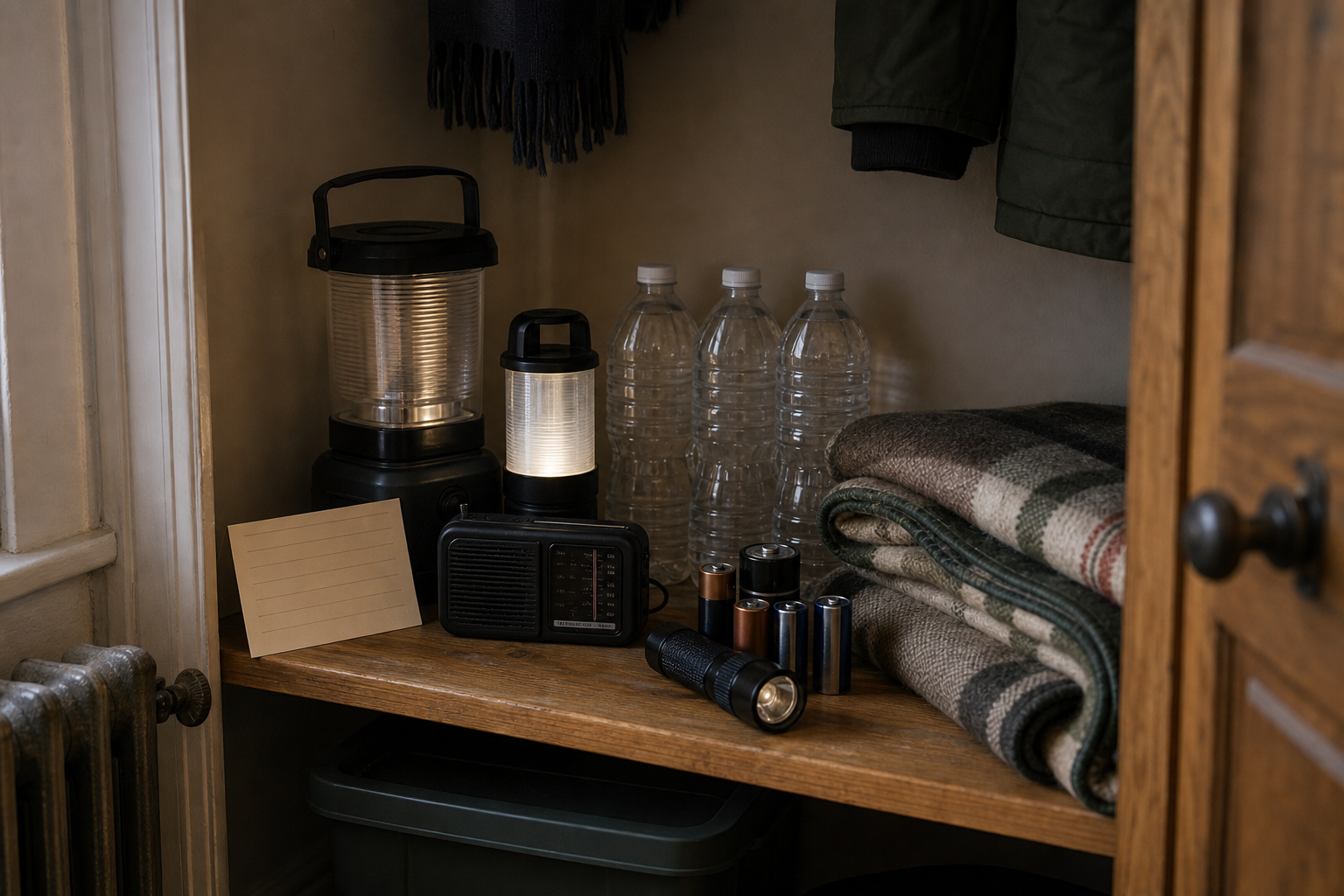
Buy outage gear by household need, not gadget count · 3 mins read
The smallest useful kit often beats the biggest cart. Start with light, warmth, communications, and water-risk basics before buying novelty backup gear.
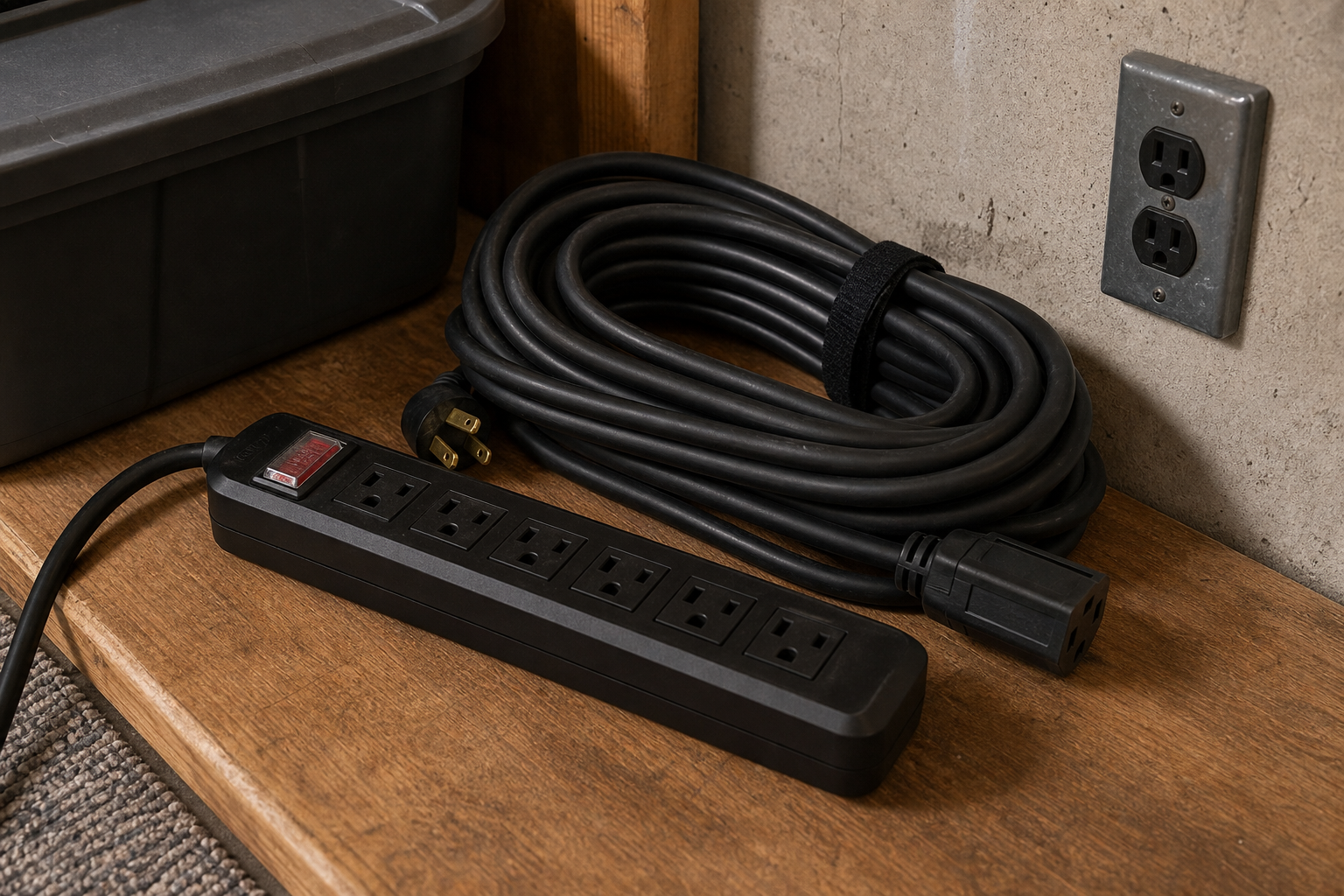
Extension cords, power bars, and the safety details to check · 3 mins read
Winter outages make people improvise. The real story is load, rating, damage, and whether a “temporary” setup becomes an all-week hazard.
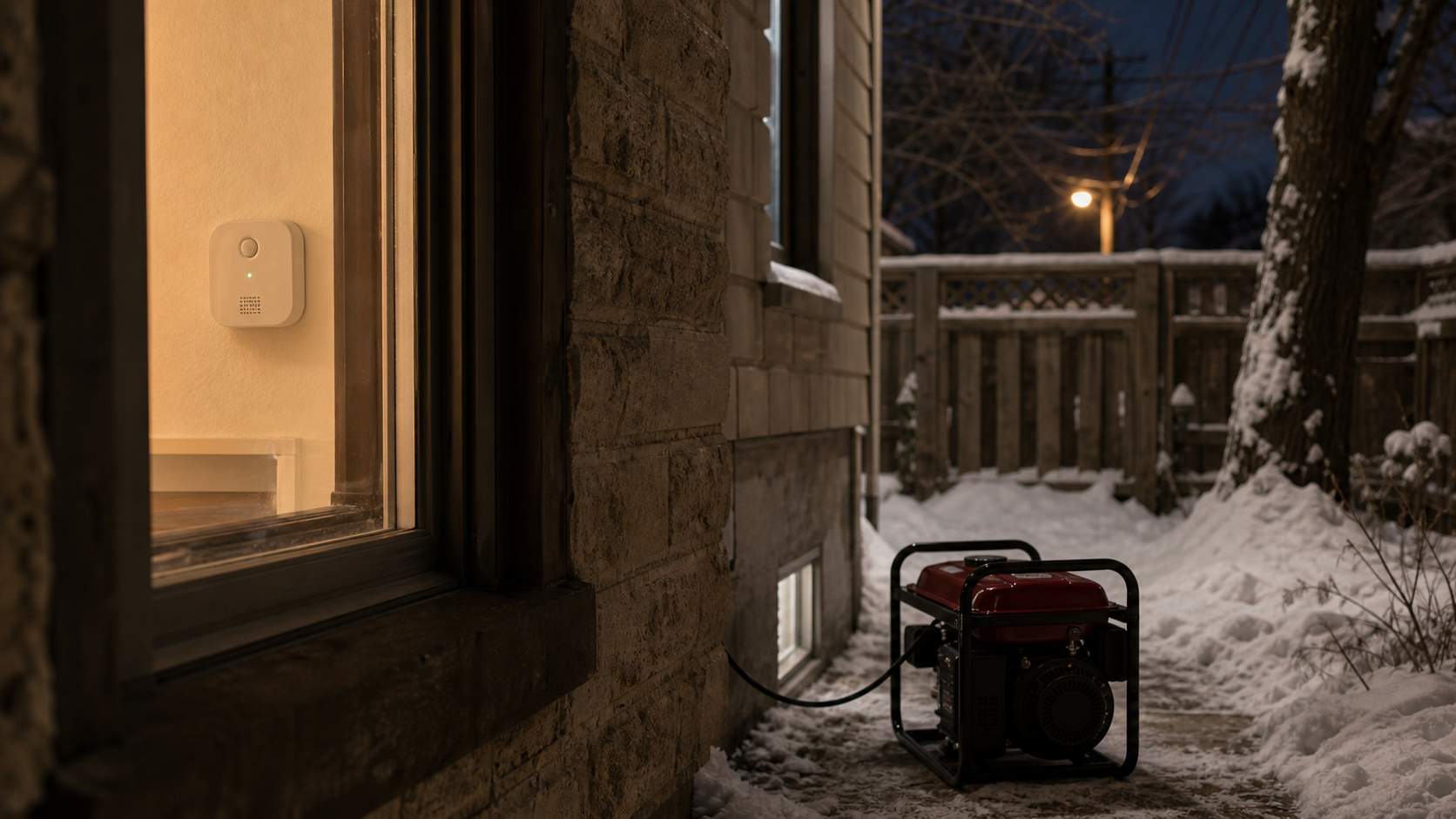
When a generator deal is not actually a good fit · 3 mins read
Some homes need a generator. Many just need better room-level planning. Carbon monoxide risk should decide the conversation before price ever does.
📍 Local Lens
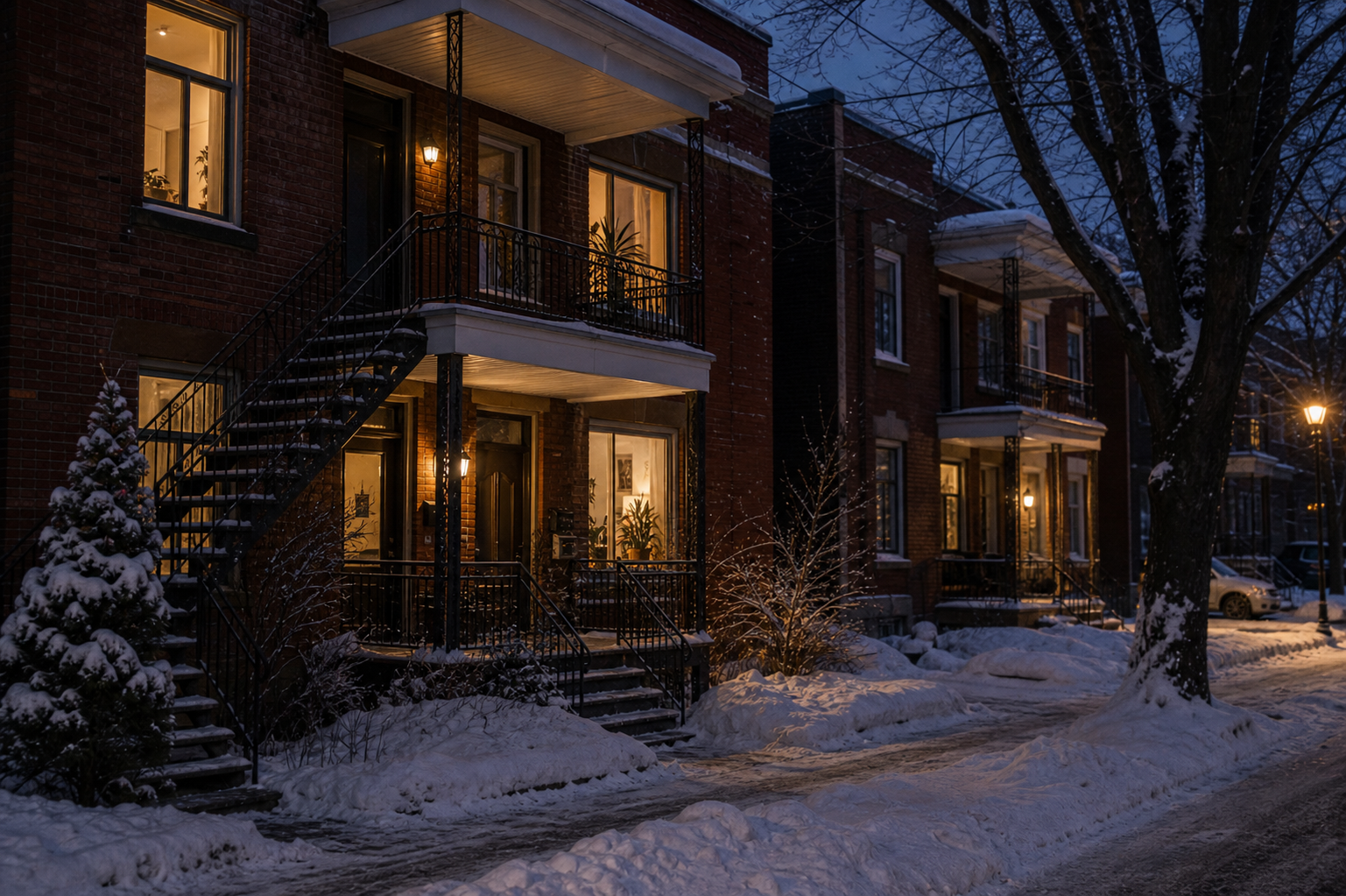
Greater Montreal cold snaps punish unclear home routines · 3 mins read
What helps most in Greater Montreal is rarely heroic gear. It is knowing the cold room, the neighbour check-in, and the one routine everyone in the home understands.
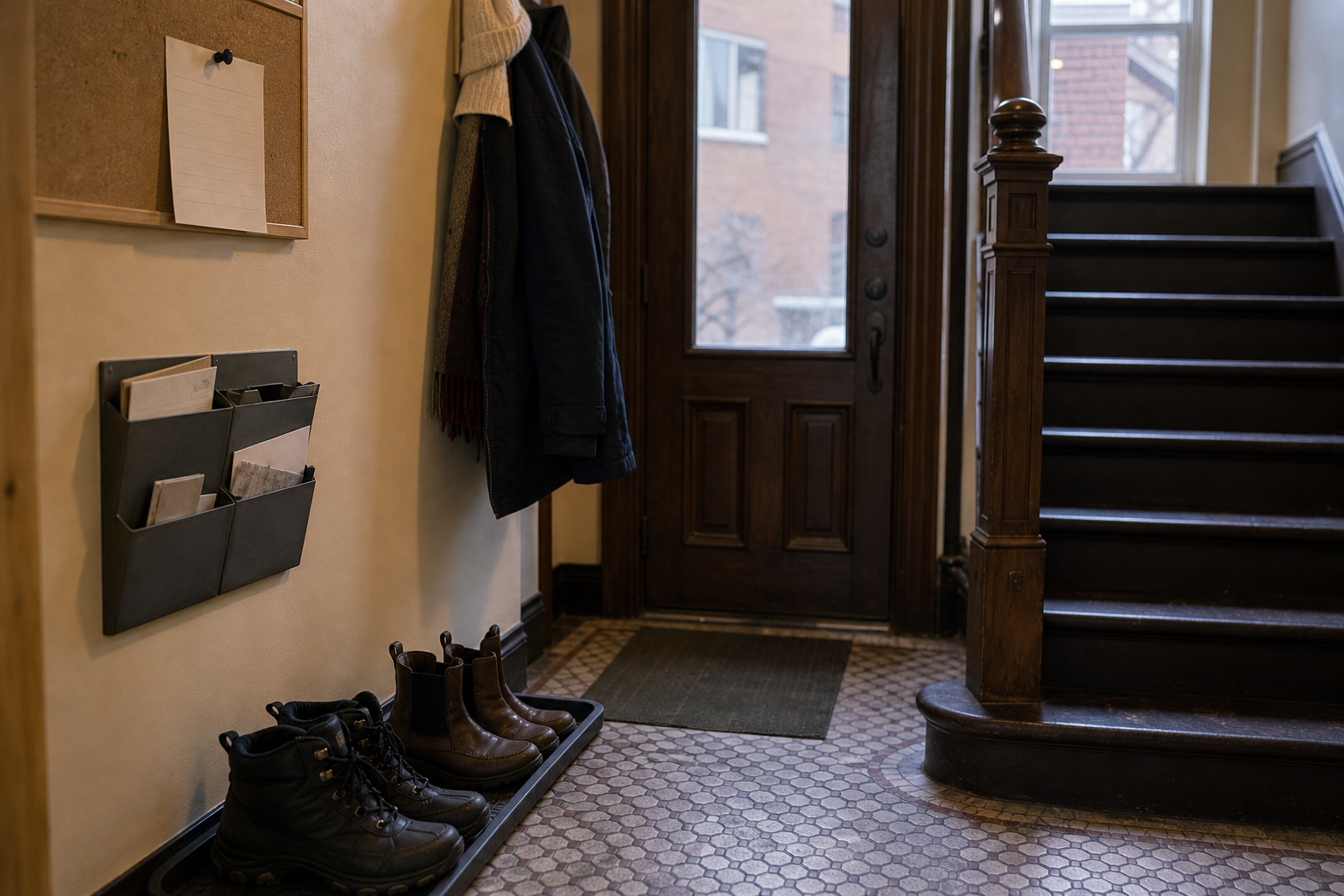
Duplexes and triplexes need a shared outage plan · 3 mins read
Shared stairs, split panels, and neighbour habits change the outage story. Multi-unit homes need a coordination plan, not just a shopping list.
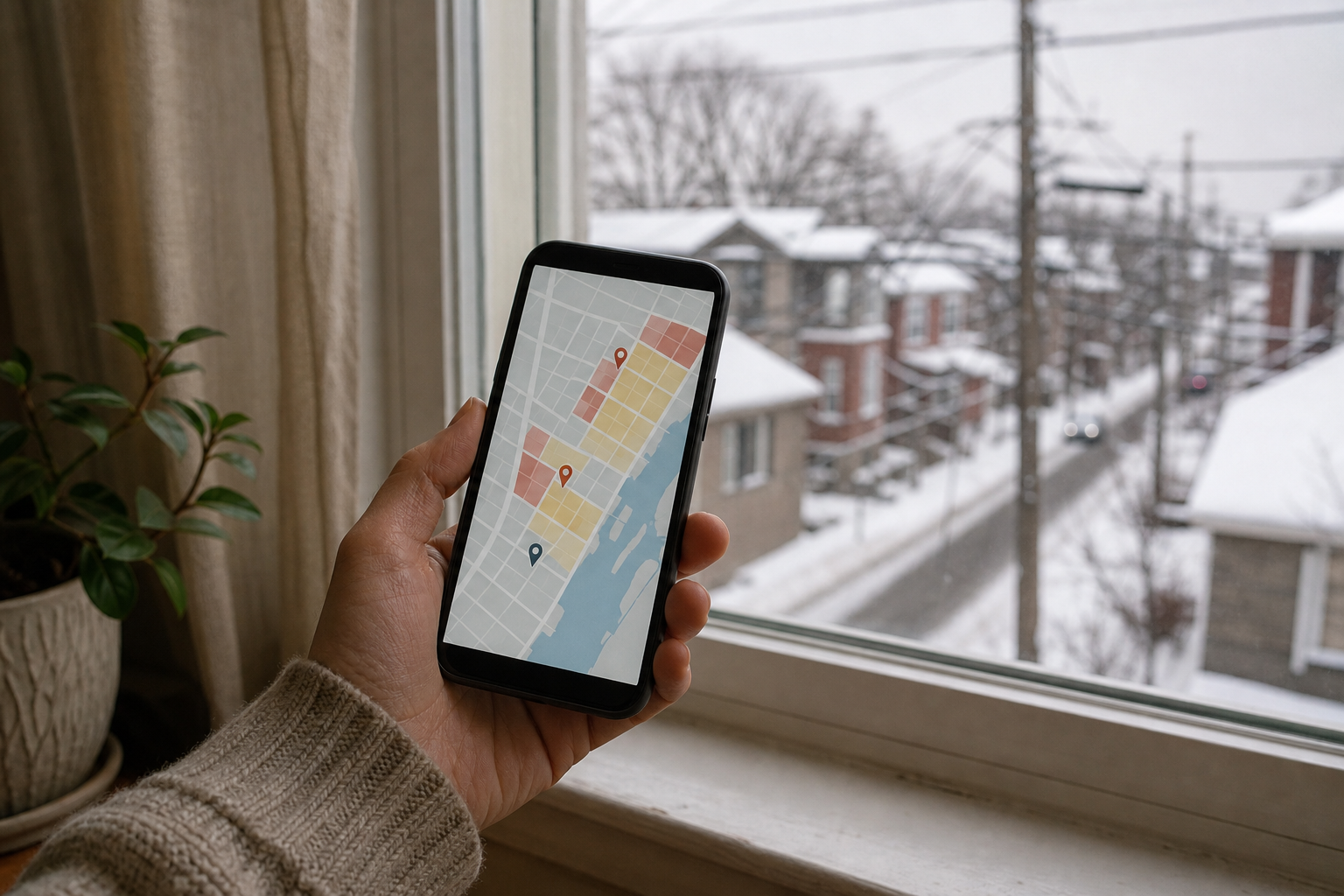
Hydro-Quebec outage maps belong in the family group chat · 2 mins read
If the outage map is only one person’s habit, the home still feels unprepared. Treat the map like a shared family tool, not a solo utility tab.